

Close Menu
CommonWealth
    What's Hot

    Beecle: Official Online Shop Launch Introduces New Cosmetics Brand to the Market

    June 8, 2026

    Beecle Gets Ready to Launch as a New Name in the Cosmetics Industry

    May 8, 2026

    US Education Reform Push Transforms Schools Fast

    April 18, 2026
    Facebook X (Twitter) Instagram
    CommonWealth
    Subscribe
    • Business & Economy
    • Entertainment
    • Health
    • Media
    • News
    • Opinion
    • Real Estate
    • Sports
    • Culture & Society
    • More
      • Education
      • Environment & Sustainability
      • Politics & Government
      • Travel & Tourism
      • Technology & Innovation
    CommonWealth
    Home»Politics & Government»Federal appeals court strikes down Trump’s worldwide tariffs
    Politics & Government

    Federal appeals court strikes down Trump’s worldwide tariffs

    OMN AIBy OMN AIAugust 30, 2025No Comments3 Mins Read
    Facebook Twitter Pinterest LinkedIn Tumblr Email
    Share
    Facebook Twitter LinkedIn Pinterest Email

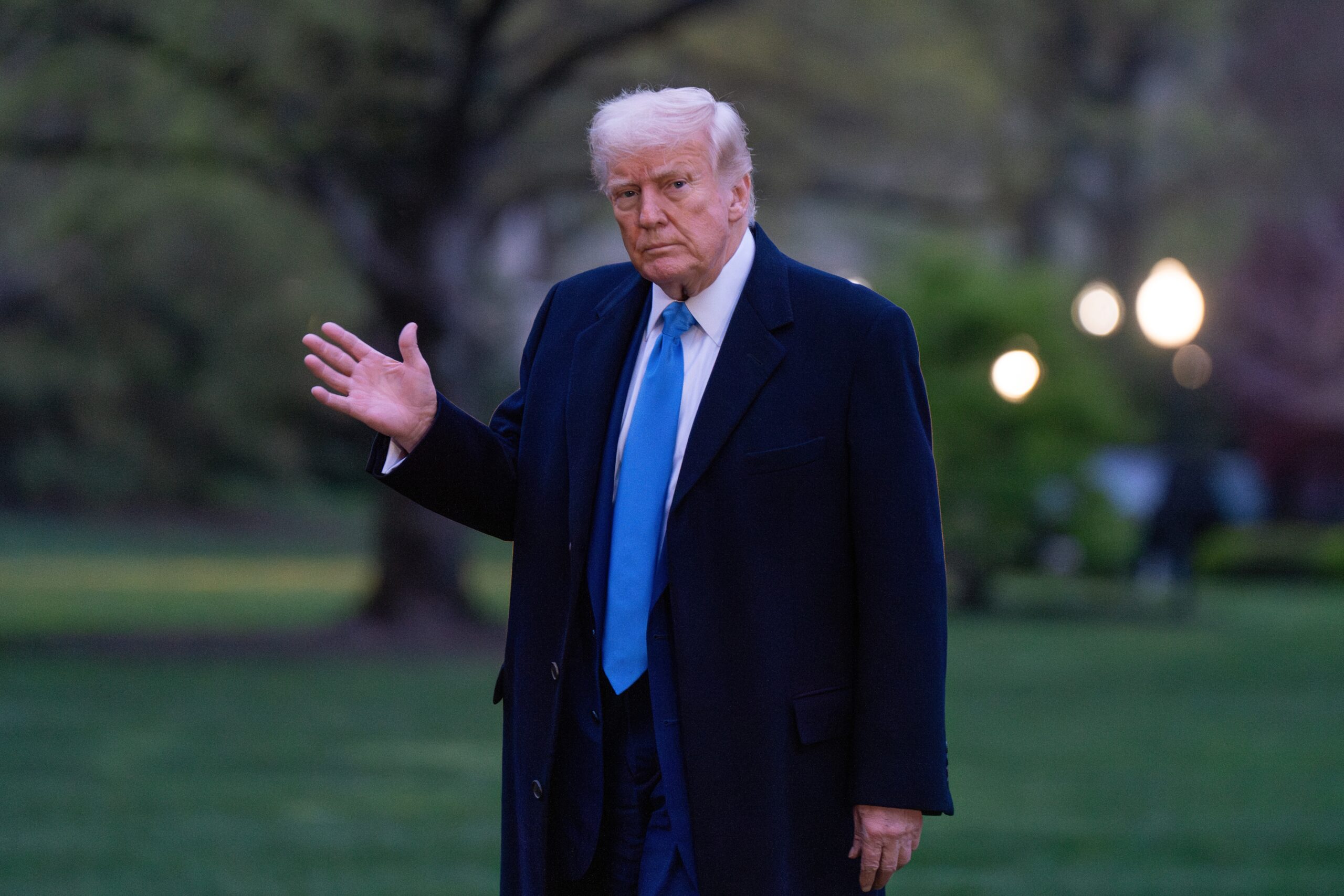
    A US appeals court has ruled that most tariffs imposed by Donald Trump are unlawful. The decision deals a major blow to his trade agenda and sets up a likely Supreme Court showdown.

    The ruling cancels Trump’s “reciprocal” tariffs on dozens of nations. It also invalidates levies applied to China, Mexico and Canada.


    Court reinforces Congress’s tariff authority

    In a 7-4 decision, the US Court of Appeals for the Federal Circuit declared the tariffs “invalid as contrary to law”.

    Judges rejected Trump’s argument that the International Emergency Economic Powers Act gave him authority. They emphasized that Congress holds the exclusive power to impose tariffs.

    The ruling will take effect on 14 October unless the Supreme Court intervenes.


    Trump attacks court decision

    Trump criticized the ruling on Truth Social. He warned that striking down the tariffs would “literally destroy the United States”.

    He accused the appeals court of bias and said the tariffs were vital to national and financial strength. Trump predicted the country would ultimately prevail.


    Emergency powers claim dismissed

    Trump had defended the tariffs under the IEEPA. He declared a trade emergency, claiming deficits threatened US security.

    The court disagreed. In its 127-page ruling, it wrote that the IEEPA “neither mentions tariffs nor limits presidential authority to impose them”.

    Judges stressed that Congress has historically reserved tariff powers and only delegates them explicitly.


    Legal challenges by states and businesses

    Two lawsuits prompted the case. Small businesses and a coalition of states challenged Trump’s April executive orders.

    The orders imposed a 10% tariff on nearly every nation. They also added “reciprocal” tariffs on dozens of others. Trump described the move as America’s “liberation day” from unfair trade.

    The Court of International Trade had already ruled the tariffs unlawful, though that decision was paused during appeal.


    Tariffs on Canada, Mexico and China nullified

    The appeals court also struck down tariffs on Canada, Mexico and China. Trump had claimed they were needed to curb drug imports.

    Tariffs on steel and aluminium remain in place. They were imposed under a separate presidential authority.


    White House warns of financial fallout

    Before the ruling, White House lawyers predicted severe consequences. They said revoking the tariffs could trigger a financial collapse like 1929.

    They argued the US might fail to repay trillions already committed by foreign partners. Such a scenario, they warned, could weaken security and damage the economy.

    The ruling also casts doubt on trade deals where countries accepted lower tariffs in exchange for concessions.


    Supreme Court expected to weigh in

    The case now appears headed to the Supreme Court. The justices have recently limited presidential actions taken without explicit congressional approval.

    During Joe Biden’s presidency, the court blocked climate regulations and struck down student debt relief under the “major questions doctrine”.

    The Supreme Court must now decide whether Trump’s tariff program constitutes lawful executive action or presidential overreach.


    Conservative justices may determine outcome

    Trump lost in the appeals court, where only three of eleven judges were Republican appointees.

    The Supreme Court has six conservative justices, including three appointed by Trump himself.

    That majority could shape a ruling that may redefine presidential authority over trade for years to come.

    Share. Facebook Twitter Pinterest LinkedIn Tumblr Email
    OMN AI

    This article was created with the assistance of OMN AI, the AI-powered editorial platform developed by OMN Group. Every article is reviewed, fact-checked, and approved by a human journalist before publication to ensure accuracy and editorial quality. Learn more at https://omngroup.com

    Related Posts

    U.S. Voter Engagement Rise Spurs New Civic Drives

    April 11, 2026

    Renewables Surpass Coal in U.S. Energy

    March 17, 2026

    2026 Primary Elections Kick Off Midterms

    March 4, 2026
    Leave A Reply Cancel Reply

    Latest News

    US Education Reform Push Transforms Schools Fast

    April 18, 2026

    AP rising stars Hollywood breakout actors buzz

    April 14, 2026

    U.S. Voter Engagement Rise Spurs New Civic Drives

    April 11, 2026

    Quantum Phonon Laser Advances Sensor Tech

    April 7, 2026
    Trending News
    Media

    Senator investigates Meta over AI child protection scandal

    By OMN AIAugust 18, 20250

    A US senator has launched an inquiry into Meta. A leaked internal document reportedly revealed…

    AI Assistant Transforms Space Medicine

    August 18, 2025

    Breakthrough in Cocoa Fermentation

    August 18, 2025

    Outer Banks Braces as Hurricane Erin Forces Evacuations

    August 18, 2025

    Commonwealth Times delivers trusted, timely coverage of breaking news, politics, business, sports, and culture across the Commonwealth—connecting readers to impactful stories, global perspectives, and the issues shaping our shared future.

    We're social. Connect with us:

    Facebook X (Twitter) Instagram
    Categories
    • Business & Economy
    • Culture & Society
    • Education
    • Entertainment
    • Environment & Sustainability
    • Health
    • Media
    • News
    • Opinion
    • Politics & Government
    • Real Estate
    • Sports
    • Technology & Innovation
    • Travel & Tourism
    Important Links
    • Contact Us
    • Privacy Policy
    • Terms and Conditions
    • Disclaimer
    • Imprint
    X (Twitter) Pinterest
    • Contact Us
    • Privacy Policy
    • Terms and Conditions
    • Disclaimer
    • Imprint
    All Rights Reserved © 2026 Commonwealth Times.

    Type above and press Enter to search. Press Esc to cancel.