


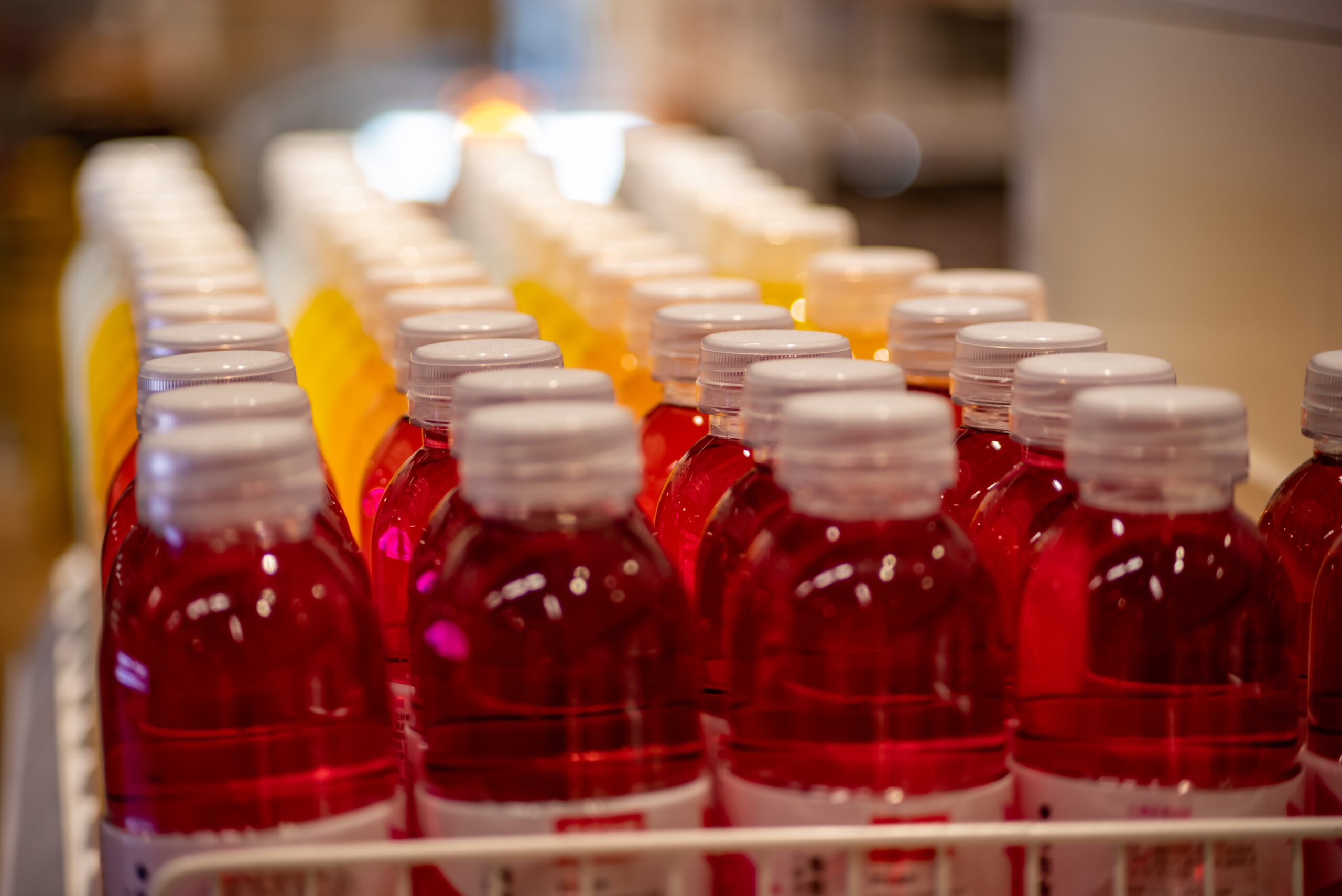
Walk down any supermarket aisle in 2025 and you’ll find pastel-coloured cans promising calm, focus, or energy. These so-called functional beverages – infused with ingredients like ashwagandha, lion’s mane mushrooms, magnesium, or L-theanine – have become a staple of the wellness market. Their rise is part of a cultural shift away from alcohol, with almost half of young people in the UK now choosing low- or non-alcoholic alternatives.
“Functional drinks fit perfectly into today’s wellness culture,” says dietitian Nicolle Cucco. “People are more aware of their mental and physical health and are seeking convenient solutions. In a fast-paced world, the idea of a quick fix is very attractive.”
Brands such as TRIP, founded in 2019, have helped commercialise the trend. Their CBD-infused blends promise relaxation, while other products claim to sharpen focus or ease anxiety. Research does suggest some potential: randomised trials link ashwagandha and L-theanine with reduced stress and improved attention, while magnesium is beneficial if someone is deficient. But overall, evidence is limited – and results vary widely.
That gap between promise and proof has sparked controversy. In July, the UK Advertising Standards Authority banned a TRIP ad for suggesting its drinks could reduce stress and anxiety, ruling the claims unsubstantiated. Experts caution that over-promising risks consumer disappointment and could undermine evidence-based approaches to health.
“The placebo effect is particularly powerful here,” says Cucco. “Believing a drink will help you relax can genuinely shift how your brain perceives stress. That doesn’t mean the product is useless, but expectation plays a big role.”
Social media has accelerated the craze, with influencers touting functional drinks as part of effortless wellness routines. But nutritionists stress they are not quick fixes for deeper issues like anxiety disorders or ADHD, and shouldn’t be mistaken for medical treatment.
At best, functional drinks may complement a balanced lifestyle. At worst, they’re expensive flavoured water in a shiny can. For consumers, the advice is simple: enjoy them if you like the taste, but don’t believe every buzzword.
