


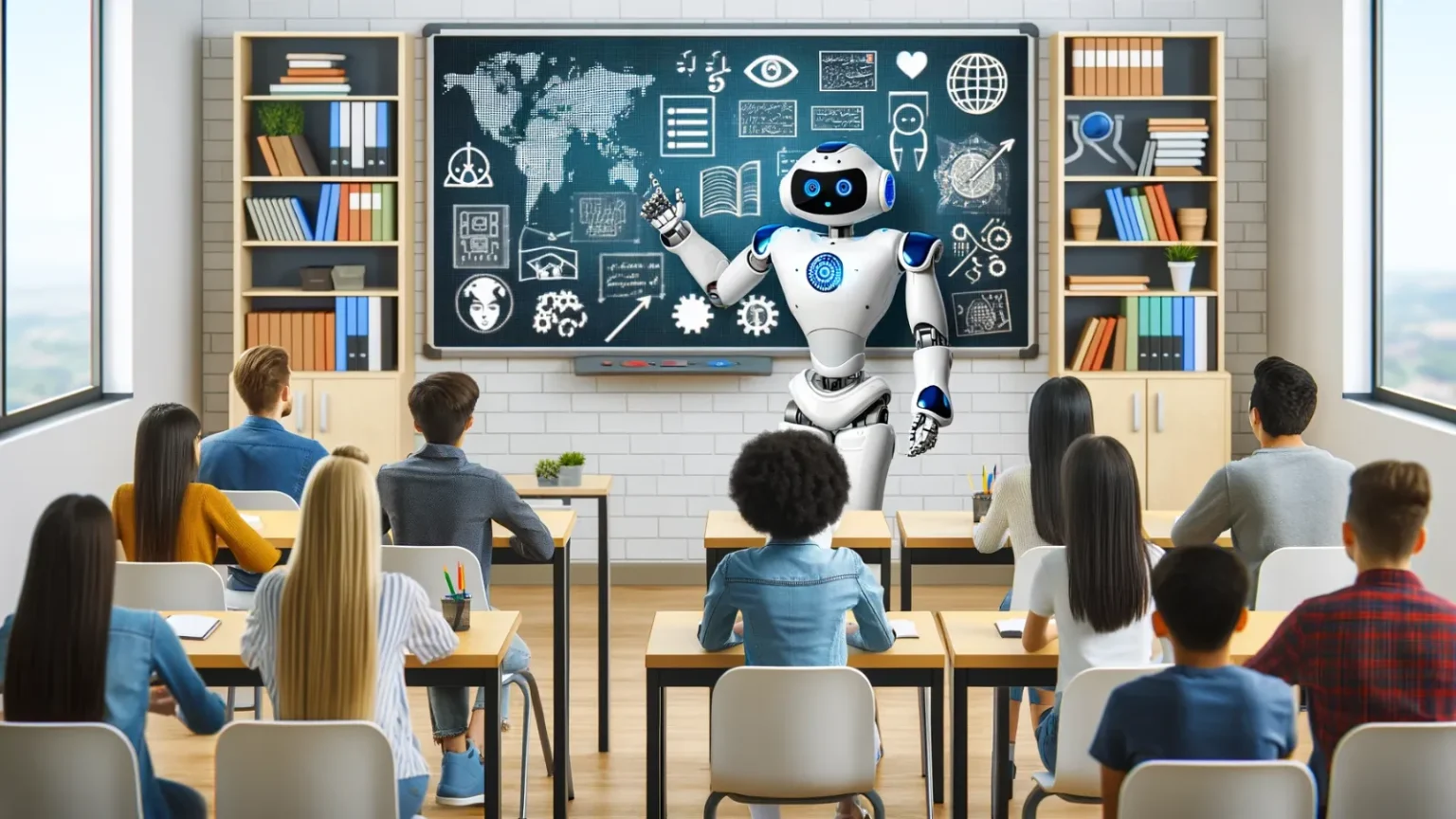
A new union-industry AI academy is giving teachers a central role in shaping how artificial intelligence is integrated into schools. The program, launched by the American Federation of Teachers (AFT) in partnership with major tech companies, allows educators to co-design AI tools and provide feedback directly to developers.
Unlike traditional professional development programs where teachers are passive learners, this initiative empowers educators to influence the technology they use. Teachers contribute insights from real classroom experience, ensuring that AI tools meet students’ educational needs and ethical standards.
The academy focuses on K‑12 education, with teachers learning both how to use AI effectively and how to guide its development. By collaborating with tech companies, educators can address practical classroom challenges, suggest features, and help ensure AI supports learning rather than replacing human instruction.
Experts say this model is progressive because it recognizes teachers as key stakeholders in AI integration. Historically, technology has been implemented top-down, often without meaningful input from those on the front lines of education. The AFT initiative flips that approach, giving teachers agency in how AI tools are designed and deployed.
Participants engage in workshops, collaborative design sessions, and iterative feedback cycles. They explore AI applications in lesson planning, grading, student engagement, and personalized instruction. The program also emphasizes ethical considerations, including privacy, bias, and responsible AI use.
Schools benefit from this approach because tools are more likely to be effective, practical, and classroom-ready. Teachers’ input ensures that AI can enhance instruction, support diverse learners, and align with curriculum goals. This collaborative process helps bridge the gap between developers and educators.
Union leaders highlight that empowering teachers in AI development strengthens the teaching profession. It reinforces educators’ expertise, ensures their voices shape educational technology, and promotes responsible adoption of AI in schools.
The program also includes professional development in AI literacy. Teachers gain hands-on experience with AI tools, understanding both technical functions and pedagogical applications. This dual focus ensures that educators are prepared to guide students while influencing technology design.
By participating in the co-design process, teachers can help prevent common pitfalls in AI integration, such as over-reliance on automation, lack of transparency, or inequitable access. Their feedback supports the creation of tools that are safe, ethical, and supportive of student learning outcomes.
The initiative aligns with broader trends in education technology, emphasizing collaboration, human-centered design, and ethical AI practices. By involving educators directly, the academy fosters innovation while maintaining accountability to students and schools.
Educators report that contributing to AI development increases confidence and ownership over classroom technology. They can ensure AI complements instruction, enhances engagement, and supports differentiated learning for all students.
The AFT-tech AI academy serves as a model for other teacher-industry partnerships. By centering educators in the design process, schools can adopt AI responsibly and create tools that genuinely improve teaching and learning.
In addition to practical applications, the program highlights the importance of ongoing dialogue between teachers and developers. Continuous feedback loops help AI evolve to meet real-world educational needs while incorporating ethical standards and equity considerations.
Through this union-industry collaboration, teachers move from being users of AI to active shapers of educational technology. Their involvement ensures that AI tools are not only innovative but also aligned with classroom realities, student needs, and responsible use principles.
The program demonstrates that giving educators a voice in AI integration strengthens both teaching and learning. By fostering collaboration, promoting ethical practices, and valuing teachers’ expertise, the academy represents a forward-thinking approach to technology in education.
