


A New Year tradition in Tokyo turned heads around the world after a single bluefin tuna sold for an eye watering sum, underlining both the spectacle and symbolism of Japan’s famous fish auctions.
A Tuna That Made History at Toyosu
At the first auction of 2026 at Tokyo’s Toyosu fish market, a 243 kilogram bluefin tuna was sold for a record 510 million yen, the equivalent of about 2.78 million euros. The sale took place in the early hours of Monday morning, when buyers gathered for the celebratory auction that marks the start of the trading year.
The winning bid came from Kiyomura Corp., owned by Kiyoshi Kimura, the man behind the popular Sushi Zanmai restaurant chain. Kimura is no stranger to headline grabbing purchases and this latest win broke the previous record he set himself in 2019.
Inside the Frenzied New Year Auction
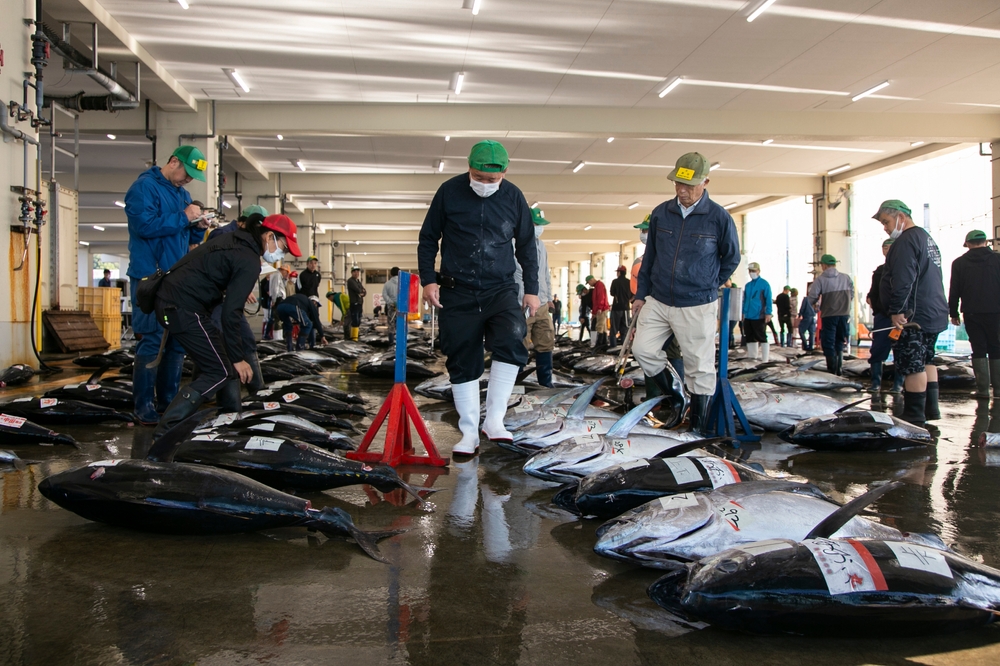
As the bell rang to open the auction, the market floor was lined with enormous, torpedo shaped tuna laid out in neat rows. Their tails had been cut so bidders could inspect the colour, texture and fat content of the flesh before making their offers.
The prized fish was caught off the coast of Oma in northern Japan, an area celebrated for producing some of the country’s finest tuna. At the final price, the fish worked out at around 2.1 million yen per kilogram.
Kimura later admitted he had hoped to secure the tuna for less, but said the bidding escalated almost instantly. He described the purchase as partly about bringing good luck for the year ahead, adding that he finds it impossible to resist a tuna that looks exceptional.
Tradition, Prestige and a Species on the Mend
While hundreds of tuna are sold at Toyosu every day, prices soar at the New Year auction, especially for highly prized Oma catches. These sales are seen as a blend of business, tradition and celebration, with buyers eager to make a bold statement at the start of the year.
Pacific bluefin tuna were once considered threatened due to overfishing and environmental pressures. In recent years, however, conservation efforts have helped stocks begin to recover, offering hope that this iconic ingredient of sushi and sashimi can remain part of Japan’s culinary culture for generations to come.
