

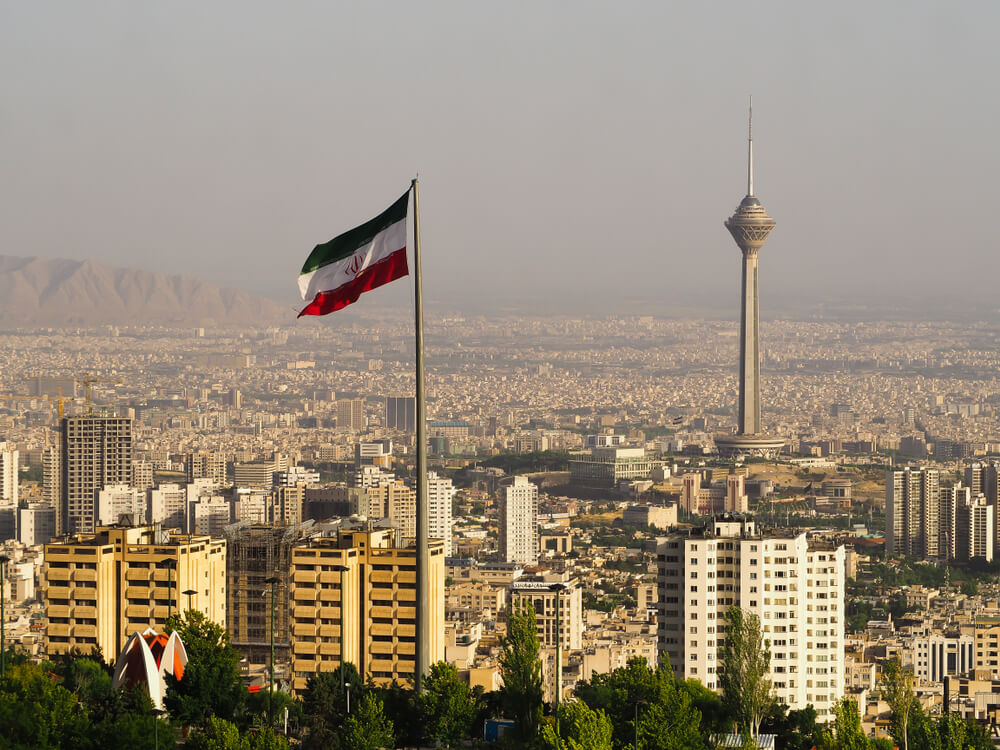
Tensions between Iran, the United States, and Israel are rising sharply as reports suggest Washington and Tel Aviv have discussed possible US military involvement in Iran. At the same time, Tehran has issued direct threats of retaliation, nationwide protests are entering their third week, and a near-total internet blackout has now stretched beyond 60 hours.
Iranian leaders have warned that any American strike would be met with immediate retaliation. Speaking before parliament on Sunday, Speaker Mohammad Baqer Qalibaf declared that US military bases, shipping centres, and Israel would be considered legitimate targets if the US launches an attack. Iran does not recognise Israel and refers to it as occupied Palestinian territory.
According to German magazine Der Spiegel, US Secretary of State Marco Rubio and Israeli Prime Minister Benjamin Netanyahu discussed the possibility of American intervention in a phone call on Saturday. Meanwhile, President Donald Trump has publicly voiced support for Iranian protesters, writing on his Truth Social platform: “Iran is looking at FREEDOM, perhaps like never before. The USA stands ready to help!!!”
US officials have also taken a hard line. The State Department warned, “Do not play games with President Trump. When he says he’ll do something, he means it.” American media outlets including The New York Times and The Wall Street Journal report that Trump was presented with military strike options against Iran on Saturday night, though no final decision has been announced.
Tehran Issues Threats as Washington Signals Support
Iran’s warning comes amid growing speculation that the US could escalate from political pressure to direct military action. Tehran has made clear that foreign intervention would not go unanswered, raising fears of a broader regional conflict.
Trump has framed his stance as support for peaceful demonstrators while maintaining a willingness to use force if protesters are harmed. This combination of solidarity with protest movements and military readiness has further heightened uncertainty and international concern.
Protests Spread as Information Goes Dark
Inside Iran, demonstrations have continued for more than two weeks. Crowds took to the streets again on Sunday in Tehran and in Mashhad, the country’s second-largest city, openly challenging the ruling theocracy.
The US-based Human Rights Activists News Agency reports that at least 116 people have died in connection with the protests, including 37 members of security forces or government officials. Activists warn the real figure may be significantly higher, as a nationwide internet shutdown has severely limited communication and reporting.
Netblocks, a global internet monitor, confirmed the blackout has now passed the 60-hour mark, calling it a direct threat to the safety and wellbeing of Iranians. Human rights groups fear the blackout signals an impending violent crackdown. The Centre for Human Rights in Iran warned that similar shutdowns in 2019 were followed by mass killings of protesters.
Arrests Rise as Crackdown Tightens
Alongside the communications blackout, arrests have accelerated. The Human Rights Activists News Agency says at least 2,600 people have been detained. Iran’s national police chief, Ahmad-Reza Radan, confirmed that “significant arrests” of key protest organisers were made Saturday night, promising punishment after legal proceedings, though he did not reveal identities or numbers.
As protests continue, information remains restricted, and foreign powers weigh their next steps, Iran faces a deepening internal crisis — one that increasingly threatens to draw in forces beyond its borders.
