
Washington signals force is still an option
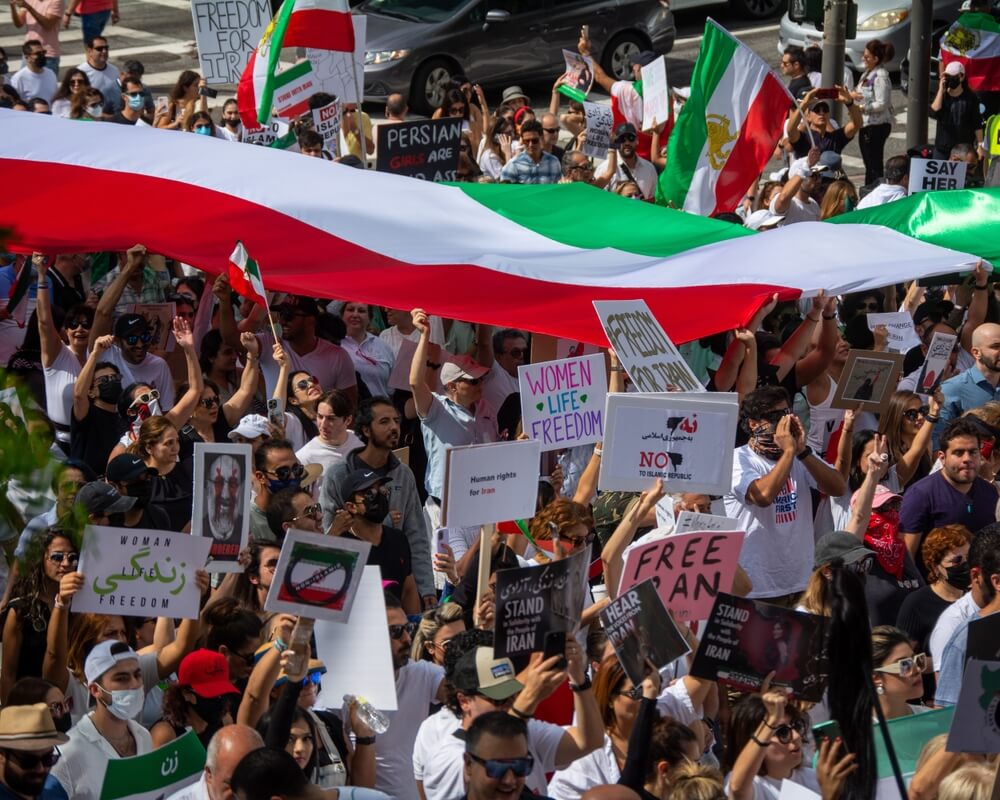
The United States has warned Iran that it has not ruled out military intervention if authorities continue using lethal force against protesters. The message was delivered during an emergency session of the UN Security Council, where US and Iranian representatives clashed over responsibility for the ongoing unrest.
US Ambassador Mike Waltz told the council that President Donald Trump is prepared to act if the violence continues. He said Trump has made clear that “all options are on the table” and urged Iran’s leadership to take the warning seriously.
While the threat of US action loomed, Trump also suggested tensions could ease, noting that the killings appeared to be slowing.
Iran accuses US of fueling unrest
Iran rejected the US position during the Security Council meeting, accusing Washington of deliberately inflaming the situation. Deputy Ambassador Hossein Darzi said the United States was using human rights language as a cover for destabilisation and potential military action.
Darzi argued that the US was pretending to stand with the Iranian people while actively laying the groundwork for political interference under a so-called humanitarian justification. Tehran has repeatedly blamed foreign involvement for turning protests violent.
Deadly crackdown silences the streets
On the ground, protests appear to be fading as security forces tighten control and a government-imposed communications blackout continues. Videos from demonstrations have largely stopped circulating, and residents in Tehran report calmer mornings with no signs of burned debris or overnight clashes. The sound of heavy gunfire heard in previous nights has also diminished.
Despite the apparent lull, the toll has been severe. A US-based rights group estimates at least 2,677 people have been killed, making this the deadliest wave of unrest since Iran’s 1979 Islamic Revolution. Sources inside the country fear the real number could be far higher, possibly reaching 15,000 deaths in just over three weeks.
In response, Washington announced new sanctions targeting Iranian officials accused of directing the crackdown, including a senior national security figure alleged to have been among the first to call for violence. The G7 and the European Union have also signaled they are weighing additional sanctions, with European Commission President Ursula von der Leyen saying the bloc aims to intensify pressure to bring about political change in Tehran.
