


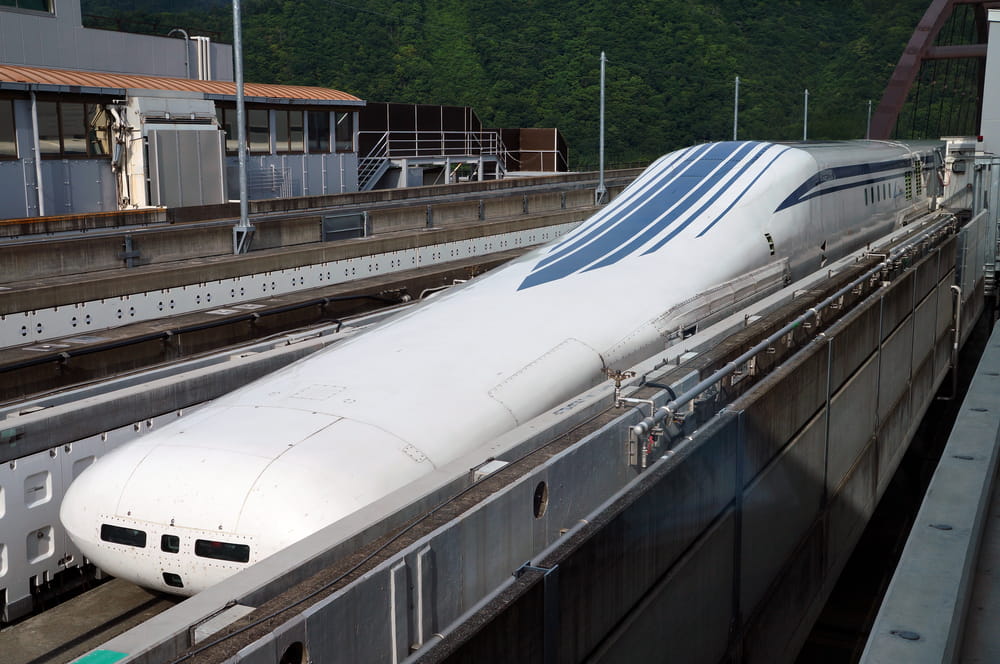
Japan is developing the world’s fastest train, the L0 Series, a magnetic-levitation (maglev) railway being built by Central Japan Railway Company. The train has reached test speeds of 603.5km/h, far faster than China’s Shanghai Maglev and well beyond Europe’s high-speed rail, such as France’s TGV.
The L0 Series will run on the new Chūō Shinkansen line, cutting the Tokyo–Nagoya journey to about 40 minutes and eventually linking Tokyo, Nagoya and Osaka into a single mega-commuter region. Full Tokyo–Osaka trips are expected to take roughly one hour once complete.
The technology works by lifting the train above the track using magnets, eliminating friction and allowing extreme speeds. However, it comes at a cost: the project has already reached about £52bn (€60bn) and has been delayed from an original 2027 opening to around 2034–35.
As for Europe, experts say widespread adoption is unlikely. Maglev requires entirely new, tunnel-heavy infrastructure, uses far more power than conventional high-speed rail, and carries fewer passengers. European rail networks also prioritise comfort, scenery and integration with existing lines, making ultra-fast maglev hard to justify outside niche business routes.
