


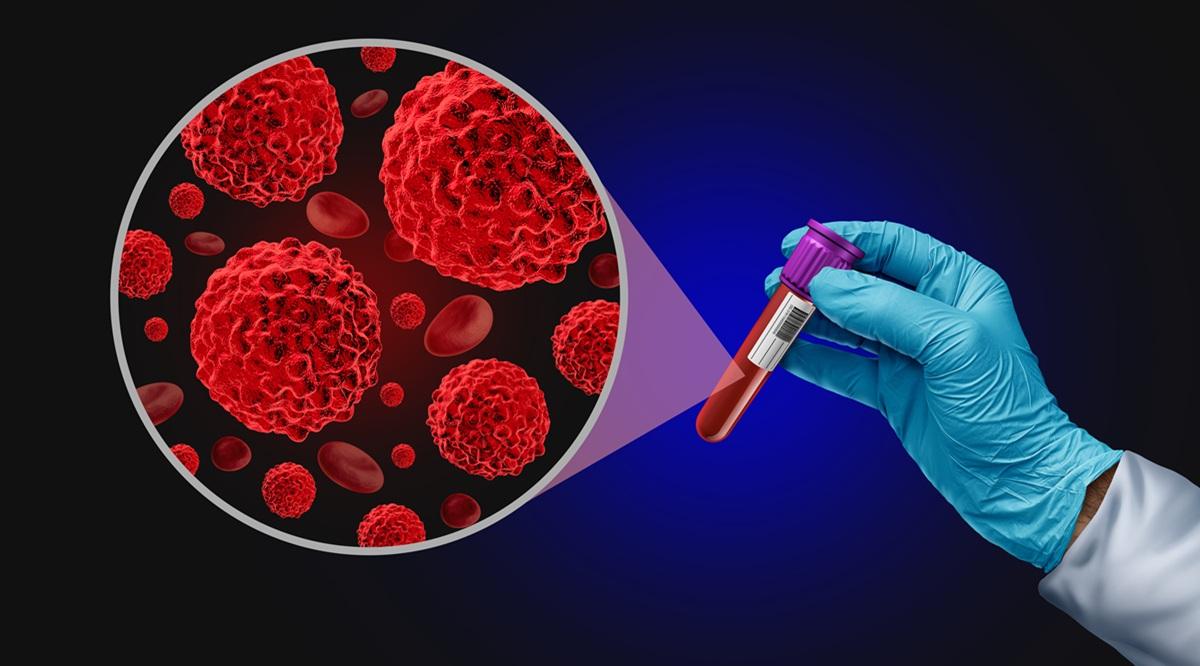
Scientists have developed a non-invasive liquid biopsy that can detect early cancers. The test analyzes blood samples for epigenetic changes, which are chemical modifications that influence how genes work. Detecting these changes early could improve survival rates and treatment outcomes.
Early detection is key to fighting cancer. Most cancers are more treatable when found before symptoms appear. This new liquid biopsy offers a simple alternative to traditional tissue biopsies, which are invasive, costly, and often uncomfortable. Researchers say it could revolutionize cancer screening and monitoring.
The test identifies cancer signals by analyzing DNA fragments in the bloodstream. These fragments carry epigenetic markers that indicate the presence of tumors. By detecting these changes, doctors can spot cancers at earlier stages, sometimes even before conventional imaging methods can find them.
Researchers have successfully tested the liquid biopsy in several cancer types, including lung, breast, and colorectal cancers. Early studies suggest the method is highly accurate and may complement existing screening programs. Experts are optimistic that broader use could save lives by catching cancers earlier.
Unlike traditional biopsies, the liquid biopsy is quick, painless, and can be repeated over time. This allows doctors to monitor patients for cancer recurrence or progression. Patients could benefit from less invasive procedures and more frequent monitoring, improving long-term outcomes.
The technology also highlights the role of epigenetics in cancer detection. Epigenetic changes can reveal cancer development even when tumors are small or hidden. Scientists believe this approach could expand to detect multiple cancer types from a single blood sample.
While more clinical trials are needed, the findings are promising. Researchers are refining the test to improve sensitivity and accuracy. They hope it will soon become a routine tool in cancer screening, particularly for high-risk populations.
Experts emphasize that combining early detection with healthy lifestyle choices, regular checkups, and prompt treatment offers the best chance of survival. Advances like the liquid biopsy give doctors new ways to intervene before cancers progress.
This development represents a major step forward in precision medicine. By using non-invasive methods to detect cancers early, healthcare providers can offer faster, safer, and more personalized care. The test shows the potential of science to improve early detection and save lives.
The breakthrough underscores the importance of innovative screening tools in public health. With the new liquid biopsy, patients and doctors may have a powerful weapon to fight cancer earlier, making early cancer detection test methods more effective and accessible than ever.
