


Space and AI Close In on Tesla’s Crown
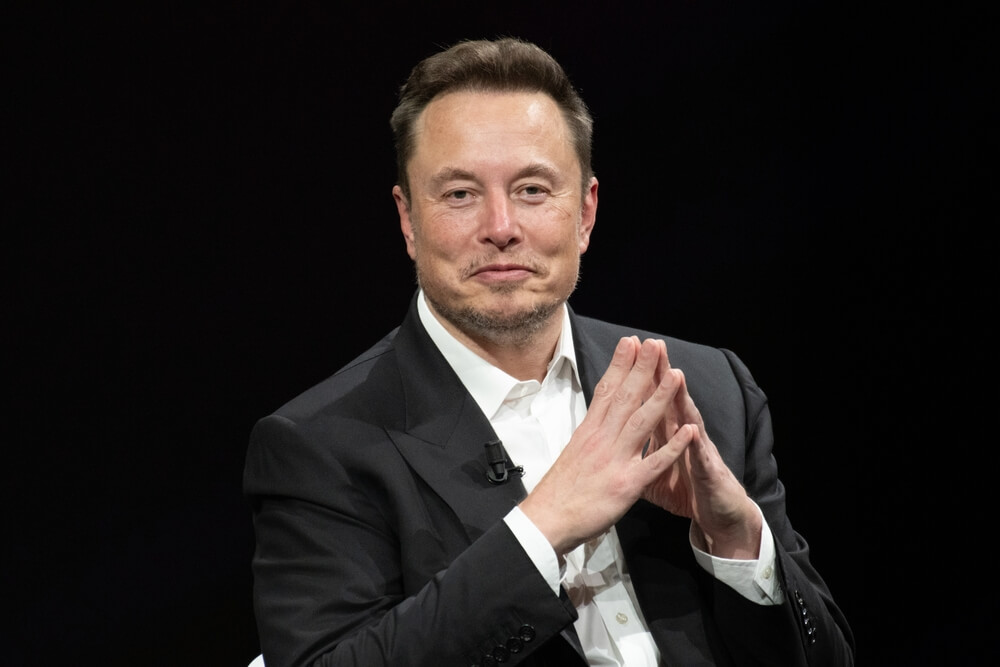
Elon Musk’s SpaceX has vaulted to a $1.25 trillion (€1.06tn) valuation after combining with artificial intelligence venture xAI, dramatically reshaping the hierarchy of his business empire. The merged SpaceX-xAI entity now sits much closer to Tesla, whose market value stands at about $1.58 trillion (€1.34tn), a gap of just 26%. On paper, Musk’s personal wealth is now more closely tied to rockets and AI than electric cars.
Tesla, once the clear centerpiece of Musk’s portfolio, has stumbled entering 2026. Shares are down roughly 6% this year after the company reported a 16% drop in vehicle deliveries and a 3% fall in annual revenue in 2025 — the first yearly decline in its history. Intensifying competition in China and Europe, alongside the removal of US federal EV tax credits, has squeezed the core car business. Musk’s increasingly visible political ties have also added pressure to the brand.
From Cars to Robots as EV Growth Slows
With electric vehicle sales losing momentum, Musk has pushed Tesla toward new bets, including robotaxi services and the Optimus humanoid robot — both still far from generating significant revenue. Last week, he confirmed Tesla would end production of the Model S and Model X, which made up less than 3% of deliveries last year, and convert those lines to Optimus manufacturing.
Meanwhile, SpaceX continues to dominate its fields. It leads the global launch market, backed by multi-billion-dollar contracts with NASA and the US Department of Defense, and runs Starlink, a satellite internet network boasting more than 9,000 satellites and around nine million users worldwide. The latest deal pegs SpaceX at $1 trillion (€847bn) and xAI at $250 billion (€212bn), following xAI’s earlier acquisition of social platform X.
Musk has framed the merger as a long-term play to develop data centres in space, arguing that orbital infrastructure could bypass energy constraints on Earth. Analysts, however, caution that such ambitions face steep technical, financial and logistical hurdles, from radiation shielding to cooling systems and launch costs.
Big Valuation, Bigger Questions Ahead
The blockbuster valuation brings new risks. Profits from SpaceX could be redirected to support xAI’s costly expansion, while the AI firm itself is already under regulatory scrutiny. Authorities in Europe, India, Malaysia and the US are investigating xAI’s Grok image generator after it was used to create explicit deepfake content. In France, investigators have also searched X’s offices over alleged algorithmic misconduct.
Legal experts warn that some of these issues could spill over into SpaceX, particularly given Starlink’s global footprint. For now, Musk’s tight control and SpaceX’s private status offer a buffer. But if the company ever goes public, investors may be forced to weigh its eye-catching valuation against mounting regulatory and political risks.
