


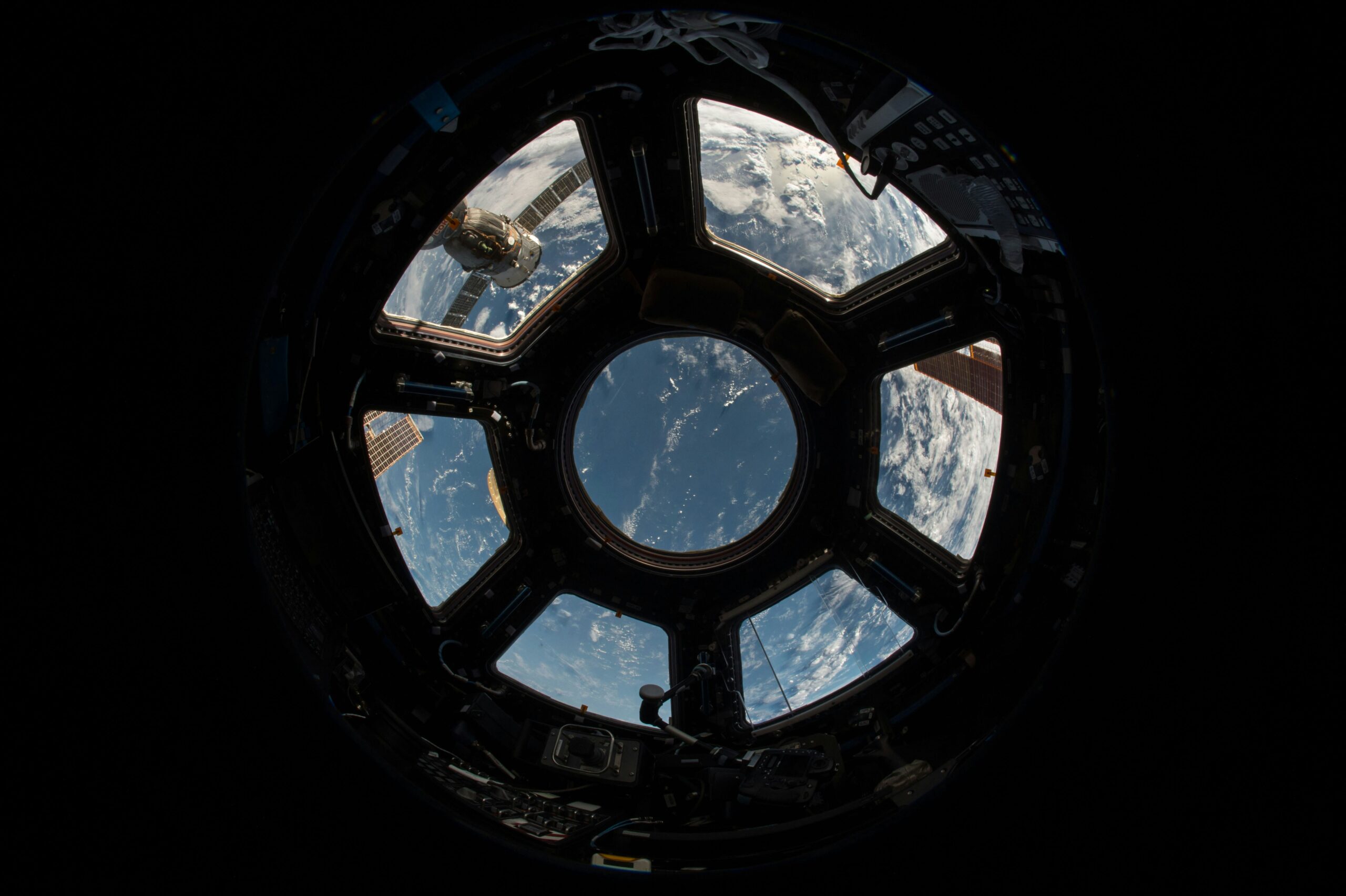
Google and NASA developed the “Crew Medical Officer Digital Assistant” to help astronauts and Earth-based teams diagnose and treat symptoms in real time. The tool equips flight surgeons with predictive analytics and essential data to make precise decisions during missions. Early testing produced accurate diagnoses, and doctors continue to refine the model. The assistant also offers treatment options when astronauts cannot maintain constant contact with Earth, a critical need as NASA explores deeper space. Google emphasized that the system demonstrates how AI can deliver vital care in extreme and remote environments, not just space.
Preparing for Long-Duration Missions
NASA prepares Artemis II and III missions to return humans to the Moon for the first time since the Apollo era, marking a major step toward Mars expeditions planned for the 2030s. The AI system grows increasingly important as future missions travel further from Earth, where delays and risks limit support from ground crews. Real-time medical autonomy becomes essential for survival during such deep-space exploration.
Current Medical Support and Future Challenges
NASA trains astronauts in CPR, behavioural health, first aid, medical kit use, and illnesses specific to spaceflight. Specialists on Earth, including doctors, psychologists, and flight surgeons, support astronaut health throughout missions. Astronauts aboard the ISS have access to a pharmacy, medical equipment, and evacuation routes to Earth. However, a 2023 study showed that Moon and Mars missions face communication delays up to 40 minutes and evacuation times stretching from weeks to six months. The study concluded that astronauts on Mars will need robust medical systems capable of independent diagnoses and anticipating ground specialists’ needs.
