


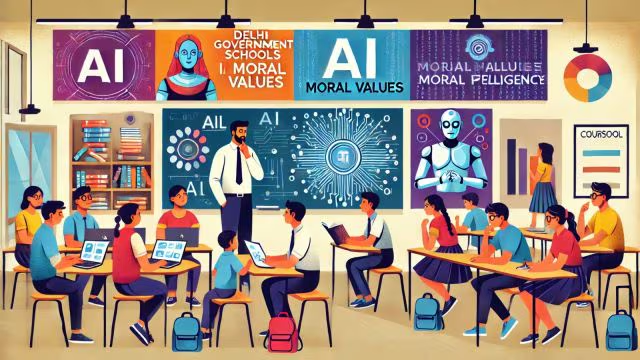
AI in classrooms education is gaining national attention as the U.S. Education Secretary promotes the use of artificial intelligence in American schools. The effort aims to improve student engagement and personalize learning while keeping education safe and effective.
Education Secretary Linda McMahon said artificial intelligence can help teachers meet the needs of every student. She believes AI tools can support learning by adjusting lessons to different skill levels and learning speeds.
The Department of Education is now working on a national “best practices” kit. This guide will help schools understand how to use AI responsibly in classrooms. The kit will focus on safety, fairness, and transparency in education technology.
Supporters say AI can help students stay more engaged in class. Digital tools can offer instant feedback, interactive lessons, and personalized study plans. These features may help students who struggle in traditional learning settings.
Teachers could also benefit from AI support. AI tools can help with grading, lesson planning, and tracking student progress. This allows teachers to spend more time helping students directly.
The department stressed that AI should support teachers, not replace them. Human guidance remains central to education. Officials say AI works best when used as a tool under teacher supervision.
The best practices kit will include clear guidelines for schools. These will cover data privacy, student safety, and ethical use. Schools will be encouraged to choose tools that protect student information and avoid bias.
Education leaders say responsible AI use is critical. Without clear rules, technology can create risks. The new guidance aims to help schools avoid misuse while still benefiting from innovation.
AI in classrooms education also raises questions about access. Officials say the goal is to ensure all students benefit, regardless of location or income. Schools in underserved areas will be encouraged to adopt affordable and proven tools.
Experts note that personalized learning can improve outcomes. Students often learn better when lessons match their pace and interests. AI can help identify gaps and offer extra support where needed.
The department plans to consult educators, parents, and technology experts while developing the kit. Feedback from schools will shape the final guidance. Officials say collaboration is key to success.
Some educators already use AI tools in classrooms. Early results show improved engagement and better tracking of student progress. These examples will help inform national recommendations.
The push for AI in education reflects broader changes in the workforce. Leaders say students need digital skills to succeed in modern careers. Exposure to AI tools may help prepare them for future jobs.
At the same time, the department emphasized caution. Schools must teach students how to use technology responsibly. Critical thinking and digital literacy will remain core goals.
AI in classrooms education is expected to grow in the coming years. With federal guidance, schools may feel more confident adopting new tools. Clear standards can help ensure safe and effective use nationwide.
Education officials say the best practices kit will be released once development is complete. Schools will then be able to apply the guidance to local needs and policies.
AI in classrooms education marks a shift in how schools approach learning. By combining technology with teacher leadership, officials hope to create more engaging and inclusive classrooms for all students.
The initiative highlights a growing belief that innovation and education can work together. With careful planning, AI may become a helpful part of everyday learning in American schools.
