


Melting Ice Opens New Shipping Lanes
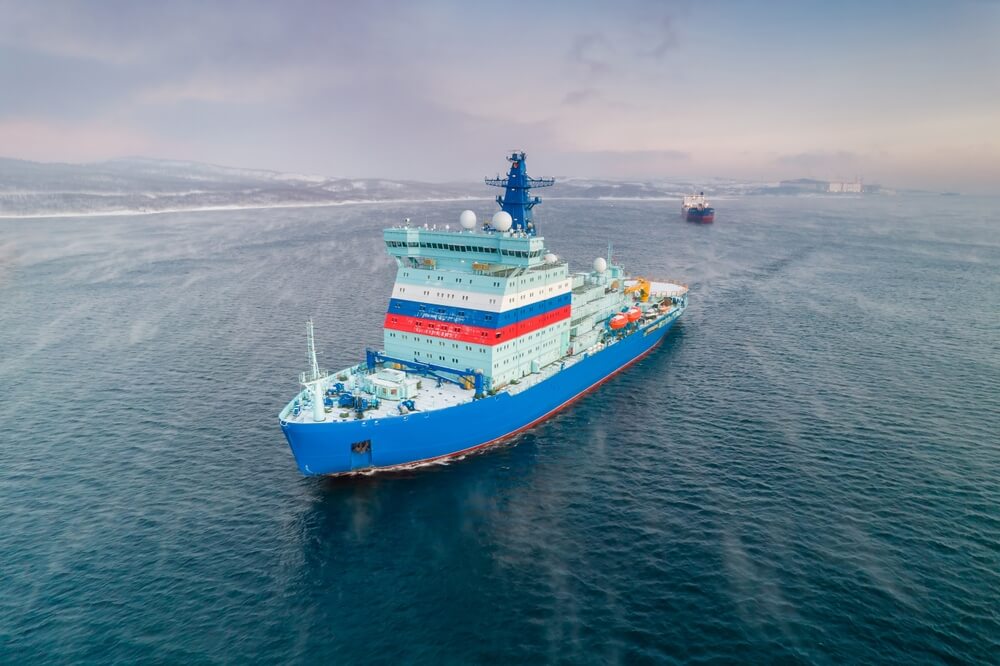
As global temperatures rise, Arctic sea ice is disappearing faster than ever, opening waterways that were once frozen year-round. This new accessibility has triggered a surge in ship traffic, from cargo vessels to fishing boats and even cruise liners. But the increase comes at a steep environmental cost: black carbon, or soot, emitted by ships, lands on ice and snow, reducing reflectivity and accelerating melting. “It ends up in a never-ending cycle of increased warming,” says Sian Prior, lead adviser for the Clean Arctic Alliance. The melting ice not only worsens local warming but also influences weather patterns around the globe.
Calls for Cleaner Fuels Face Political and Economic Hurdles
To combat the growing problem, France, Germany, Denmark, and the Solomon Islands have urged the International Maritime Organization (IMO) to mandate the use of “polar fuels,” lighter alternatives that produce less black carbon, for all vessels traveling north of the 60th parallel. While a 2024 ban on heavy fuel oil exists, loopholes and exemptions have limited its impact. Progress is further complicated by geopolitics. Conflicting interests among Arctic nations, combined with U.S. political opposition to environmental shipping regulations, have slowed international action. Iceland illustrates the tension: despite being a leader in green energy, its influential fishing industry has resisted stricter maritime pollution controls.
Arctic Traffic and Black Carbon Are Rising Hand in Hand
Ship activity in the Arctic is climbing rapidly. Between 2013 and 2023, the number of vessels north of the 60th parallel grew 37%, while the distance they traveled more than doubled. Black carbon emissions from these ships rose from 2,696 tonnes in 2019 to 3,310 tonnes in 2024, with fishing boats being the largest contributors. Environmental groups stress that regulating fuel is the only practical way to slow the warming effect, since restricting traffic itself is unlikely. The Northern Sea Route remains navigable only a few months a year and often requires icebreakers, but the lure of shorter shipping routes and resource extraction continues to draw vessels. Some companies, like Mediterranean Shipping Company, have pledged to avoid these Arctic routes for now, highlighting the growing debate over the balance between commerce and environmental protection in the region.
