

Close Menu
CommonWealth
    What's Hot

    Renewables Surpass Coal in U.S. Energy

    March 17, 2026

    2026 Walter Dean Myers Awards Winners

    March 12, 2026

    Healthy Coral Reefs Boost Food Supply

    March 9, 2026
    Facebook X (Twitter) Instagram
    CommonWealth
    Subscribe
    • Business & Economy
    • Entertainment
    • Health
    • Media
    • News
    • Opinion
    • Real Estate
    • Sports
    • Culture & Society
    • More
      • Education
      • Environment & Sustainability
      • Politics & Government
      • Travel & Tourism
      • Technology & Innovation
    CommonWealth
    Home»Politics & Government»Bipartisan Push to Revive U.S. Shipbuilding
    Politics & Government

    Bipartisan Push to Revive U.S. Shipbuilding

    Grace JohnsonBy Grace JohnsonOctober 29, 2025No Comments3 Mins Read
    Facebook Twitter Pinterest LinkedIn Tumblr Email
    Bipartisan Push to Revive U.S. Shipbuilding
    Bipartisan Push to Revive U.S. Shipbuilding
    Share
    Facebook Twitter LinkedIn Pinterest Email

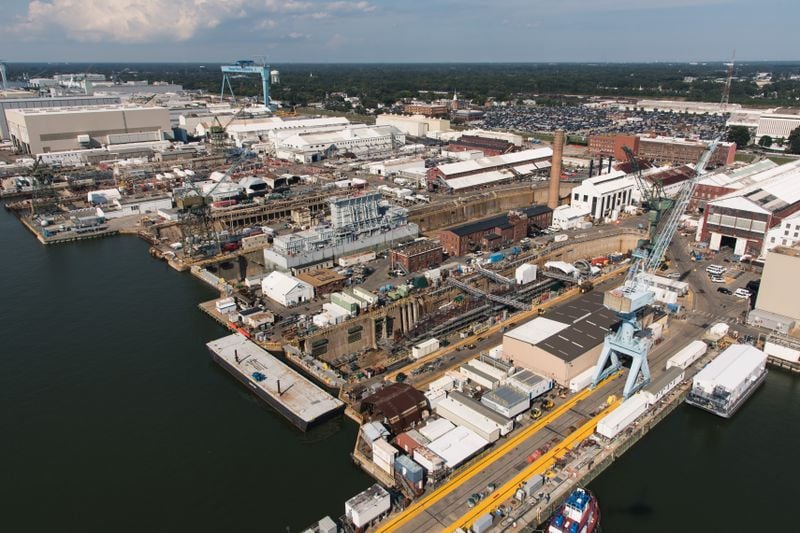
    Lawmakers from both parties met in a hearing titled “Sea Change: Reviving Commercial Shipbuilding” to discuss rebuilding America’s ship-industry capacity. The hearing focused on modernizing U.S. commercial shipyards, creating jobs, and reducing dependence on foreign suppliers.

    The bipartisan discussion highlights a shared commitment to infrastructure, manufacturing, and national security. Experts say reviving domestic shipbuilding can strengthen the U.S. economy while supporting military and commercial operations.

    During the hearing, senators and representatives emphasized the need for investment in modern technologies and shipyard facilities. Upgrading shipbuilding infrastructure could enhance efficiency, safety, and competitiveness in the global market.

    Supporters also pointed to job creation as a major benefit. Expanding commercial shipbuilding would provide thousands of skilled positions in engineering, construction, and maintenance. Lawmakers stressed that these jobs would boost local economies in coastal regions.

    Reducing reliance on foreign shipyards was another key point. Lawmakers noted that the U.S. currently imports a significant portion of commercial ships, which creates vulnerabilities in trade and national security. Strengthening domestic production can mitigate these risks.

    Senators praised recent proposals for federal incentives and funding to support shipyard modernization. These measures could include tax breaks, grants, and streamlined regulations to encourage private investment in the shipbuilding sector.

    Industry leaders participating in the hearing emphasized that U.S. shipyards have the technical expertise but often lack the necessary infrastructure to compete internationally. Investments in technology and workforce development are seen as essential to closing this gap.

    Observers say the bipartisan nature of the hearing is unusual but promising. Cooperation on commercial shipbuilding shows that lawmakers can unite on initiatives with clear economic and strategic benefits.

    The hearing also explored environmental considerations. Modern shipyards and vessels could adopt cleaner technologies, improving sustainability and reducing the industry’s carbon footprint. Lawmakers highlighted that environmental innovation could make U.S. shipbuilding a global leader in green maritime practices.

    Reviving U.S. shipbuilding is expected to strengthen supply chains for both commercial and defense needs. By relying less on foreign production, the U.S. can ensure timely delivery of vessels for trade, transportation, and military operations.

    Experts note that this bipartisan momentum could lead to a long-term revival of the shipbuilding sector. A combination of federal support, private investment, and skilled workforce development could position the U.S. as a competitive global player.

    The hearing concluded with a call for continued collaboration between Congress, industry stakeholders, and labor groups. Lawmakers emphasized that modernized shipyards will not only create jobs but also secure the nation’s maritime future.

    By focusing on infrastructure, innovation, and national security, the bipartisan effort to revive commercial shipbuilding demonstrates a model for addressing other critical manufacturing and industrial priorities.

    Share. Facebook Twitter Pinterest LinkedIn Tumblr Email
    Grace Johnson
    • Website
    • Facebook

    Grace Johnson is a freelance journalist from the USA with over 15 years of experience reporting on Politics, World Affairs, Business, Health, Technology, Finance, Lifestyle, and Culture. She earned her degree in Communication and Journalism from the University of Miami. Throughout her career, she has contributed to major outlets including The Miami Herald, CNN, and USA Today. Known for her clear and engaging reporting, Grace delivers accurate and timely news that keeps readers informed on both national and global developments.

    Related Posts

    Renewables Surpass Coal in U.S. Energy

    March 17, 2026

    2026 Primary Elections Kick Off Midterms

    March 4, 2026

    Tensions Soar as Israel Strikes Iran, Prompting Gulf-wide Retaliation

    February 28, 2026
    Leave A Reply Cancel Reply

    Latest News

    Healthy Coral Reefs Boost Food Supply

    March 9, 2026

    2026 Primary Elections Kick Off Midterms

    March 4, 2026

    U.S. Local Economic Output Rises

    March 1, 2026

    New Immunotherapy Drug Shows Striking Early Results in Advanced Prostate Cancer

    February 28, 2026
    Trending News
    Media

    Senator investigates Meta over AI child protection scandal

    By Grace JohnsonAugust 18, 20250

    A US senator has launched an inquiry into Meta. A leaked internal document reportedly revealed…

    AI Assistant Transforms Space Medicine

    August 18, 2025

    Breakthrough in Cocoa Fermentation

    August 18, 2025

    Outer Banks Braces as Hurricane Erin Forces Evacuations

    August 18, 2025

    Commonwealth Times delivers trusted, timely coverage of breaking news, politics, business, sports, and culture across the Commonwealth—connecting readers to impactful stories, global perspectives, and the issues shaping our shared future.

    We're social. Connect with us:

    Facebook X (Twitter) Instagram
    Categories
    • Business & Economy
    • Culture & Society
    • Education
    • Entertainment
    • Environment & Sustainability
    • Health
    • Media
    • News
    • Opinion
    • Politics & Government
    • Real Estate
    • Sports
    • Technology & Innovation
    • Travel & Tourism
    Important Links
    • Contact Us
    • Privacy Policy
    • Terms and Conditions
    • Disclaimer
    • Imprint
    X (Twitter) Pinterest
    • Contact Us
    • Privacy Policy
    • Terms and Conditions
    • Disclaimer
    • Imprint
    All Rights Reserved © 2026 Commonwealth Times.

    Type above and press Enter to search. Press Esc to cancel.