


Eight Countries Approved Under €150bn Defence Loan Scheme
The European Commission has approved national defence investment plans from eight EU countries under a major new financing programme aimed at strengthening Europe’s military readiness. Estonia, Greece, Italy, Latvia, Lithuania, Poland, Slovakia and Finland will collectively receive access to €74 billion in loans through the Security Action for Europe (SAFE) scheme. Poland alone accounts for €43.7 billion of the total.
SAFE is a central pillar of the EU’s Readiness 2030 strategy, which seeks to channel hundreds of billions of euros into defence before the end of the decade. The push comes amid growing concerns from intelligence agencies that Russia could pose a direct threat to another European country within the coming years.
This latest approval follows a first round in January, when eight other countries — Belgium, Bulgaria, Denmark, Spain, Croatia, Cyprus, Portugal and Romania — secured €38 billion in funding.
From Strategy to Military Capability
EU Defence Commissioner Andrius Kubilius said the second wave of approvals shows Europe is moving beyond planning and into action. He described the investments as proof that the bloc is backing its security ambitions with real financial power, sending a clear message to both European defence industries and potential adversaries.
In total, 19 member states have applied to use SAFE funding so far, with allocations provisionally agreed last September. Investment plans from Czechia, France and Hungary are still under review.
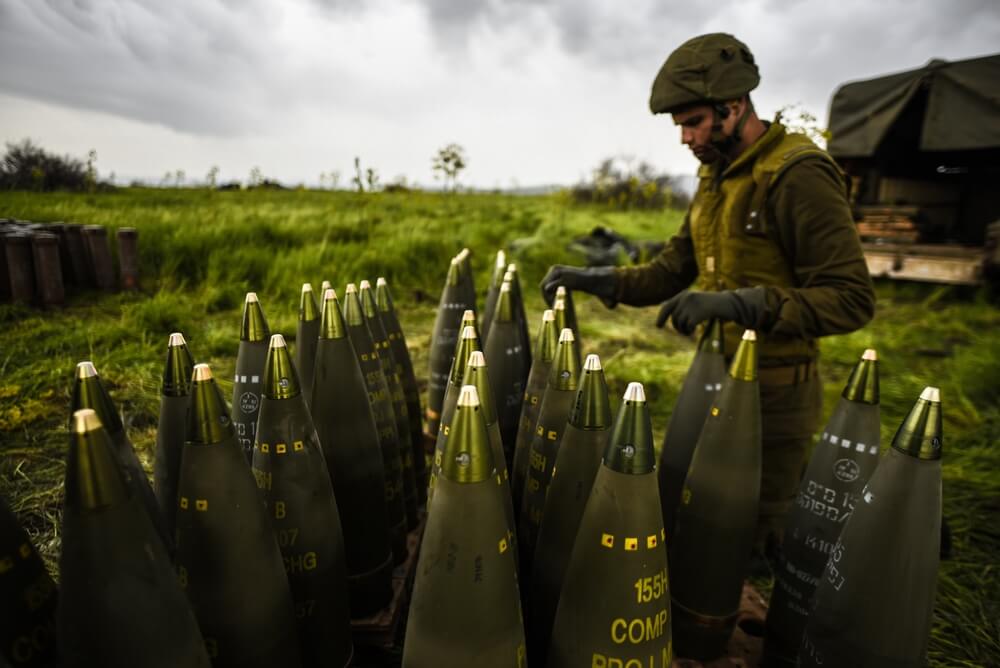
SAFE is designed to accelerate the joint procurement of priority military equipment, including ammunition, missiles, artillery systems, drones, air and missile defence, cybersecurity tools, artificial intelligence and electronic warfare technologies.
Boosting European Defence Industry
A key condition of the programme is that the equipment purchased must largely be produced in Europe. At least 65% of component costs must come from the EU, EEA-EFTA countries or Ukraine. Canada will also be eligible to participate under a bilateral agreement with the bloc.
The scheme is particularly attractive to countries with weaker credit ratings, as they can borrow at more favourable rates through the Commission than on their own. Germany, whose credit rating matches the Commission’s, opted not to apply for SAFE funding.
EU ministers now have four weeks to formally approve the investment plans, with the first payments expected in March 2026. European Commission President Ursula von der Leyen has previously suggested the programme could be expanded, noting that demand has already exceeded the €150 billion initially set aside.
