


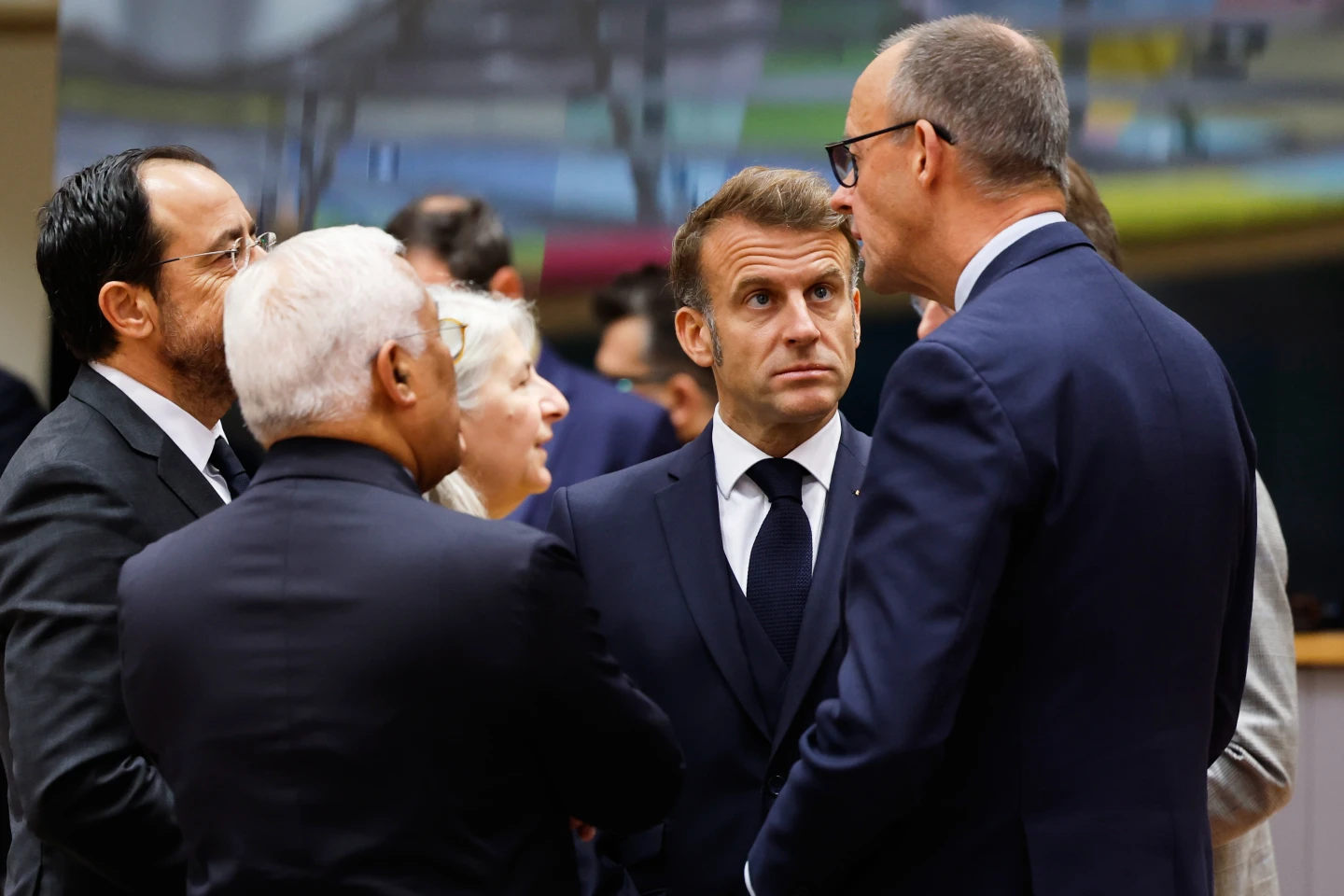
European Union leaders have endorsed a plan to ensure that Europe can defend itself from external threats by 2030. The decision highlights the EU’s commitment to strengthening its defense capabilities and strategic autonomy.
The plan aims to enhance military coordination, increase defense spending, and develop advanced capabilities across EU member states. Officials said the strategy is designed to prepare Europe for a range of security challenges in the coming decade.
EU leaders emphasized that the initiative reflects a shared responsibility among member states. By working together, they aim to reduce reliance on external partners and enhance Europe’s ability to respond independently to threats.
The plan outlines investments in modern defense technologies, cyber security, intelligence sharing, and joint military exercises. Leaders said these measures will improve readiness and interoperability across EU forces.
Analysts note that the strategy is a response to evolving geopolitical challenges, including tensions near Europe’s borders and global security uncertainties. Strengthening self-defense is seen as critical to maintaining regional stability.
Officials highlighted that the plan is not intended to replace NATO but to complement the alliance. EU forces will continue to cooperate with NATO, while the plan ensures that Europe can act independently when necessary.
The initiative also focuses on fostering innovation in defense. Investments will target new technologies, advanced weaponry, and systems that enhance rapid deployment and operational efficiency.
EU leaders said the plan signals Europe’s determination to take a proactive role in global security. They emphasized that a capable and united defense posture is essential to protect citizens and strategic interests.
The endorsement includes measures to streamline defense funding and promote collaboration between member states. Leaders said this will create a more efficient and responsive European defense framework.
Experts believe that achieving the 2030 goals will require sustained political will and resources. They noted that progress in joint projects, shared infrastructure, and training exercises will be key to success.
The plan also addresses non-traditional threats, including cyberattacks, terrorism, and hybrid warfare. EU officials said these areas are increasingly important for ensuring Europe’s security and resilience.
EU leaders underscored the importance of unity in implementing the plan. By acting together, member states can achieve greater deterrence and maintain stability across the continent.
Analysts note that the plan may also influence Europe’s diplomatic stance. A stronger defense posture could provide leverage in international negotiations and security partnerships.
The endorsement marks a significant milestone in Europe’s long-term strategic planning. Officials said the plan sets clear targets for capability development, readiness, and cooperation by 2030.
Leaders concluded that self-defense is a shared responsibility. The initiative is expected to enhance Europe’s global standing and ensure that the EU is prepared for any future challenges.
The plan reflects a growing recognition that Europe must balance diplomacy with robust defense capabilities. Officials emphasized that readiness, collaboration, and technological advancement are central to achieving these goals.
