


Brussels Weighs Tougher Energy Measures
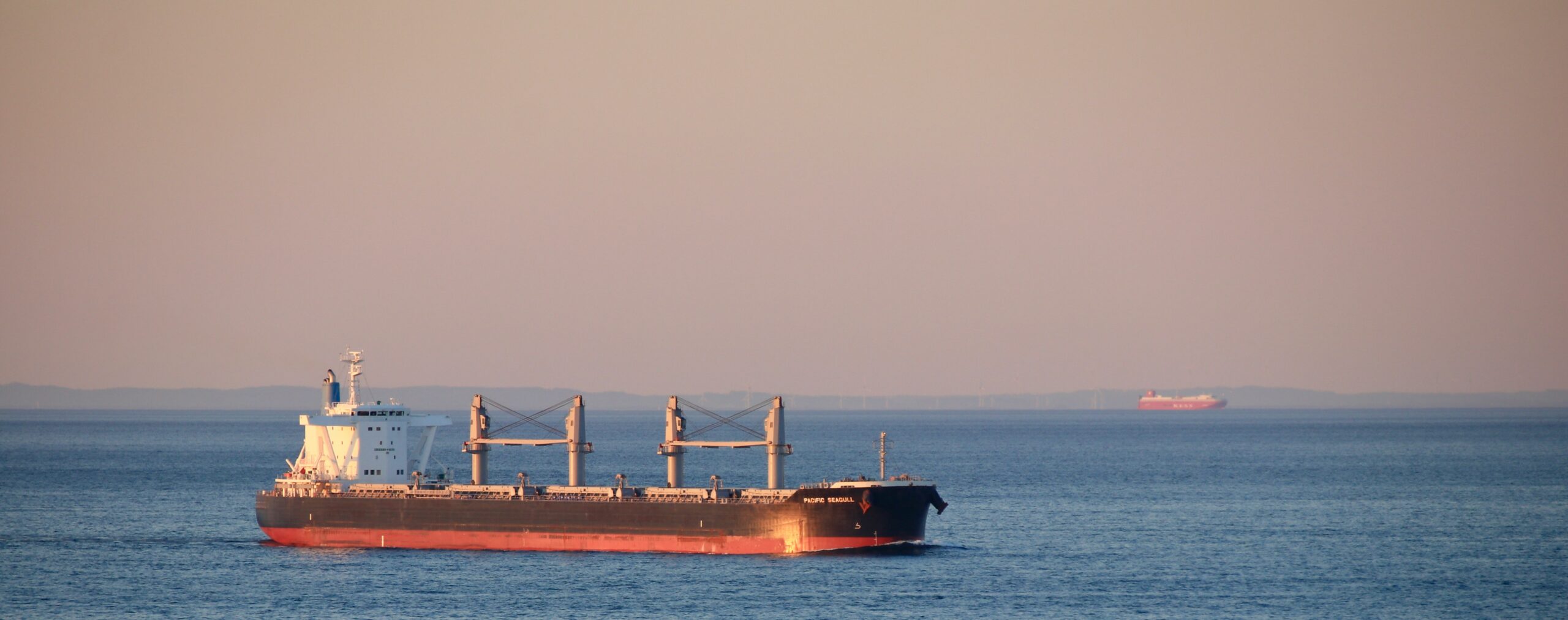
The European Union is prepared to move ahead with a sweeping ban on maritime services for Russian oil tankers, even if G7 partners fail to agree on a coordinated approach. Valdis Dombrovskis said a joint decision with the G7 would be preferable, but stressed it was not essential.
Brussels is aiming to have its 20th sanctions package approved by 24 February, marking four years since Russia’s full-scale invasion of Ukraine. If adopted, the proposal would effectively end the G7 price cap on Russian oil within EU jurisdiction by prohibiting European companies from servicing Russian tankers altogether — regardless of the price at which the oil is sold. The cap currently stands at $44.10 per barrel.
Dombrovskis acknowledged that coordination with allies remains the goal, but made clear the bloc would not hesitate to act independently if wider agreement proves elusive.
Divisions Among Allies
The tougher stance signals a shift in tone from the European Commission, which had previously indicated it would only proceed after a G7-level decision. At present, it remains uncertain how many partners are willing to scrap the price cap entirely.
Governments including the United Kingdom, Canada and Australia have confirmed discussions are ongoing, with London saying it continues to work closely with EU and G7 allies to intensify economic pressure on Moscow. The United States and Japan have not publicly responded.
Within the EU itself, some concerns have emerged. Greece, home to a powerful shipping industry, has reportedly warned that a full ban could strengthen competition from India and China, embolden Russia’s so-called “shadow fleet,” and encourage more vessels to switch registries in a practice known as deflagging. Swedish Finance Minister Elisabeth Svantesson, however, underlined the need for decisive action, noting that broader participation would be ideal but should not delay necessary steps.
Kyrgyzstan in the Spotlight
Beyond energy, the new sanctions package would also activate the EU’s Anti-Circumvention Tool for the first time. The mechanism is designed to prevent sensitive goods from being rerouted to Russia through third countries.
Attention has turned to Kyrgyzstan, a nation of around seven million people that shares a customs union with Russia. EU exports to Kyrgyzstan have surged dramatically since the invasion began, rising from €263 million in 2021 to €2.5 billion in 2024. More than half of that trade consists of machinery and transport equipment — items Brussels fears could be redirected to Moscow and repurposed for military use.
EU ambassadors are expected to continue negotiations throughout the week. While the target date remains 24 February, diplomats acknowledge the timeline could slip if further consensus-building is required.
