

Close Menu
CommonWealth
    What's Hot

    Wolff Shrugs Off Engine Claims as 2026 F1 Row Heats Up

    February 4, 2026

    Saif al-Islam Gaddafi Reportedly Killed Near Zintan

    February 3, 2026

    New Liquid Biopsy Detects Cancer Early

    February 3, 2026
    Facebook X (Twitter) Instagram
    CommonWealth
    Subscribe
    • Business & Economy
    • Entertainment
    • Health
    • Media
    • News
    • Opinion
    • Real Estate
    • Sports
    • Culture & Society
    • More
      • Education
      • Environment & Sustainability
      • Politics & Government
      • Travel & Tourism
      • Technology & Innovation
    CommonWealth
    Home»Travel & Tourism»Japan’s 600km/h maglev sets speed records – but Europe may never get it
    Travel & Tourism

    Japan’s 600km/h maglev sets speed records – but Europe may never get it

    Andrew RogersBy Andrew RogersJanuary 23, 2026No Comments1 Min Read
    Facebook Twitter Pinterest LinkedIn Tumblr Email
    Share
    Facebook Twitter LinkedIn Pinterest Email

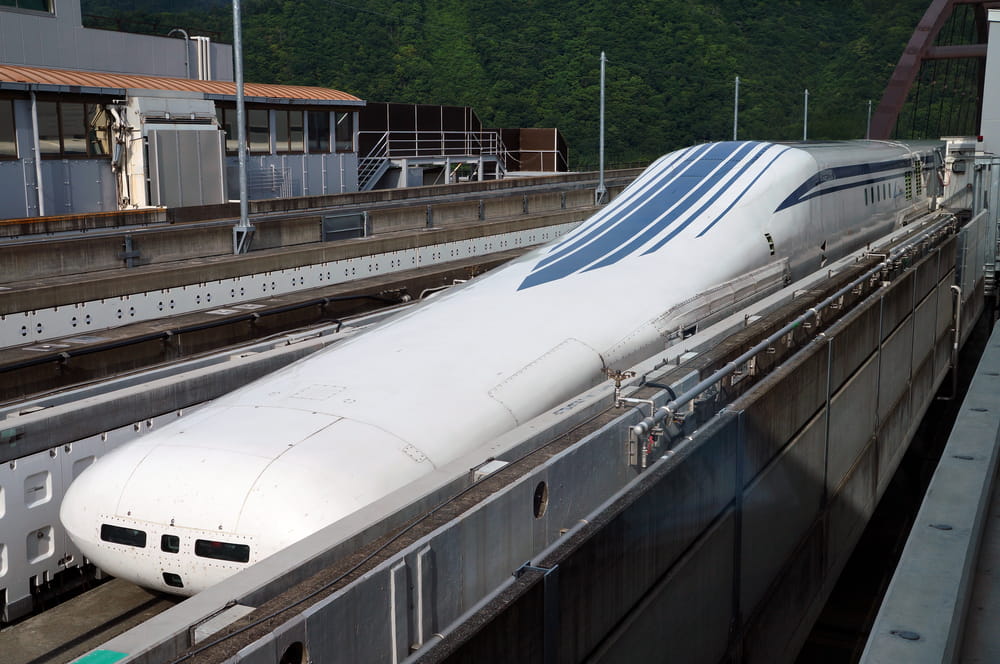
    Japan is developing the world’s fastest train, the L0 Series, a magnetic-levitation (maglev) railway being built by Central Japan Railway Company. The train has reached test speeds of 603.5km/h, far faster than China’s Shanghai Maglev and well beyond Europe’s high-speed rail, such as France’s TGV.

    The L0 Series will run on the new Chūō Shinkansen line, cutting the Tokyo–Nagoya journey to about 40 minutes and eventually linking Tokyo, Nagoya and Osaka into a single mega-commuter region. Full Tokyo–Osaka trips are expected to take roughly one hour once complete.

    The technology works by lifting the train above the track using magnets, eliminating friction and allowing extreme speeds. However, it comes at a cost: the project has already reached about £52bn (€60bn) and has been delayed from an original 2027 opening to around 2034–35.

    As for Europe, experts say widespread adoption is unlikely. Maglev requires entirely new, tunnel-heavy infrastructure, uses far more power than conventional high-speed rail, and carries fewer passengers. European rail networks also prioritise comfort, scenery and integration with existing lines, making ultra-fast maglev hard to justify outside niche business routes.

    Share. Facebook Twitter Pinterest LinkedIn Tumblr Email
    Andrew Rogers
    • Website
    • Facebook

    Andrew Rogers is a freelance journalist based in the USA, with over 10 years of experience covering Politics, World Affairs, Business, Health, Technology, Finance, Lifestyle, and Culture. He earned his degree in Journalism from the University of Florida. Throughout his career, he has contributed to outlets such as The New York Times, CNN, and Reuters. Known for his clear reporting and in-depth analysis, Andrew delivers accurate and timely news that keeps readers informed on both national and international developments.

    Related Posts

    Why Airlines Are Cracking Down on Power Banks After a Midair Safety Scare

    January 18, 2026

    Air India A350 Engine Damaged After Cargo Container Strikes Taxiing Aircraft in Delhi

    January 16, 2026

    U.S. Tourism Prepares for Major Events

    January 6, 2026
    Leave A Reply Cancel Reply

    Latest News

    New Liquid Biopsy Detects Cancer Early

    February 3, 2026

    China Moves to End Hidden Door Handles in Electric Vehicles

    February 3, 2026

    Sydney Scientists Recreate Cosmic Dust to Probe Life’s Origins

    February 3, 2026

    Trump Signals Tariff Cut for India After Oil Shift Deal

    February 2, 2026
    Trending News
    Media

    Senator investigates Meta over AI child protection scandal

    By Grace JohnsonAugust 18, 20250

    A US senator has launched an inquiry into Meta. A leaked internal document reportedly revealed…

    AI Assistant Transforms Space Medicine

    August 18, 2025

    Breakthrough in Cocoa Fermentation

    August 18, 2025

    Outer Banks Braces as Hurricane Erin Forces Evacuations

    August 18, 2025

    Commonwealth Times delivers trusted, timely coverage of breaking news, politics, business, sports, and culture across the Commonwealth—connecting readers to impactful stories, global perspectives, and the issues shaping our shared future.

    We're social. Connect with us:

    Facebook X (Twitter) Instagram
    Categories
    • Business & Economy
    • Culture & Society
    • Education
    • Entertainment
    • Environment & Sustainability
    • Health
    • Media
    • News
    • Opinion
    • Politics & Government
    • Real Estate
    • Sports
    • Technology & Innovation
    • Travel & Tourism
    Important Links
    • Contact Us
    • Privacy Policy
    • Terms and Conditions
    • Disclaimer
    • Imprint
    X (Twitter) Pinterest
    • Contact Us
    • Privacy Policy
    • Terms and Conditions
    • Disclaimer
    • Imprint
    All Rights Reserved © 2026 Commonwealth Times.

    Type above and press Enter to search. Press Esc to cancel.