


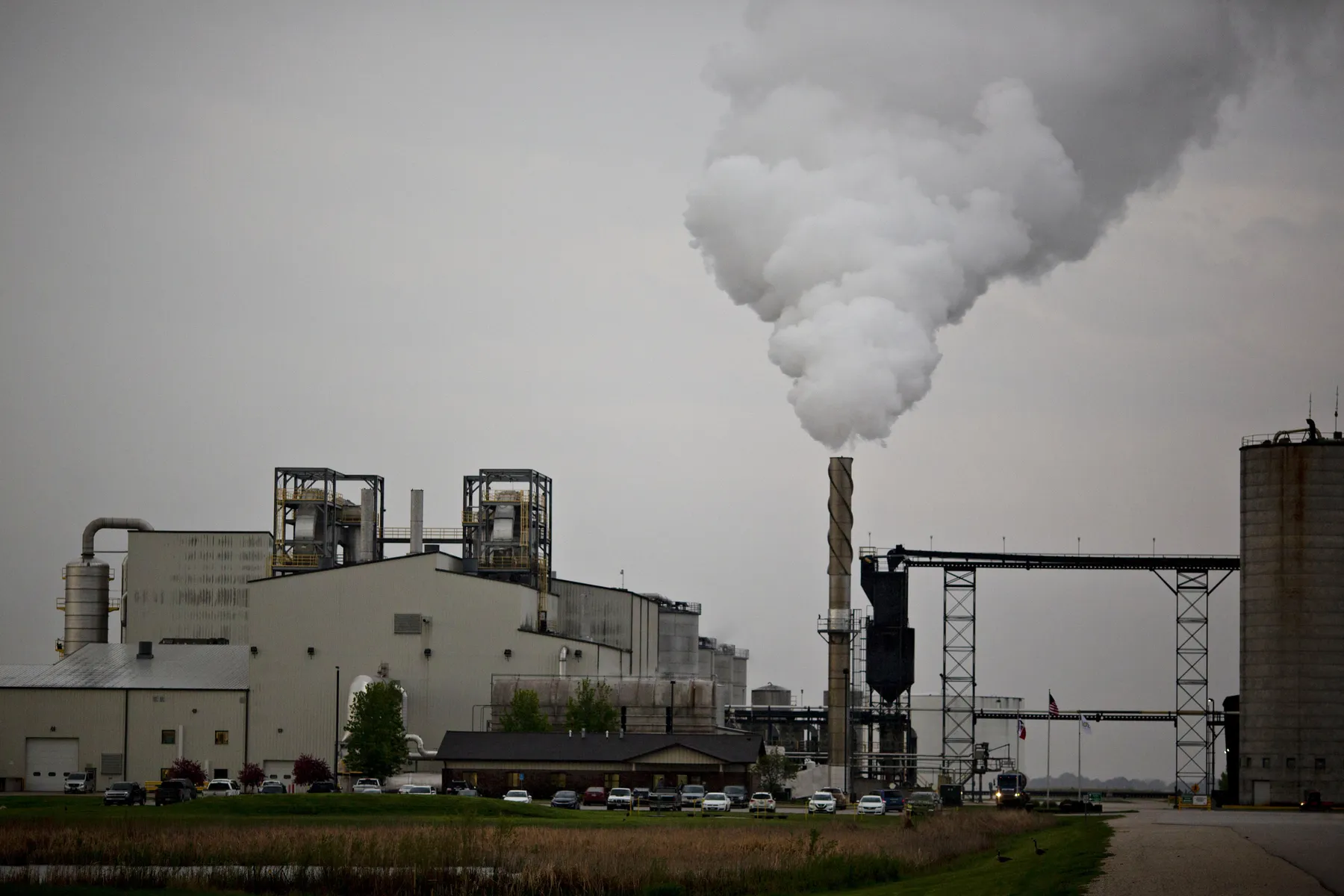
The Environmental Protection Agency (EPA) has finalized record biofuel blending requirements, providing a boost to U.S. farmers and ethanol producers. While the rules have sparked debate, many in the agricultural and biofuel sectors welcome the economic support.
The new quotas require higher volumes of ethanol and other renewable fuels to be blended into gasoline and diesel. Corn growers, who supply the majority of ethanol feedstock, view the policy as a strong signal of continued demand and market stability. Ethanol producers also see an opportunity to increase production and sales under the expanded quotas.
Industry groups praised the EPA’s move, saying it supports rural economies and helps stabilize energy markets. The policy is expected to increase revenues for farmers and processing plants, reinforcing the financial outlook for the agricultural sector. Analysts note that consistent biofuel demand can encourage investment in technology, equipment, and infrastructure.
While some environmental and energy experts debate the impact of higher blending requirements on fuel prices and emissions, producers emphasize the benefits for domestic energy production and economic growth. The EPA highlighted that biofuel mandates are part of broader efforts to support renewable energy while reducing reliance on imported oil.
The new quotas come at a time when U.S. farmers face market uncertainties and price pressures. By ensuring demand for corn-based ethanol, the EPA’s action helps maintain profitability for growers and encourages investment in biofuel processing facilities. This could also strengthen U.S. energy security while supporting domestic industry.
Ethanol producers are already planning adjustments to meet the higher requirements. Increased blending volumes may lead to more efficient production processes and higher output, providing additional employment and growth opportunities in rural communities. Analysts suggest this move could also incentivize research into next-generation biofuels and alternative renewable energy sources.
Overall, the finalized biofuel quotas demonstrate a policy focus on supporting U.S. agriculture and energy production. Corn growers and ethanol producers are set to benefit from record blending requirements, which may enhance revenue stability, encourage investment, and reinforce the domestic renewable fuel market.
The EPA’s decision underscores the balance between economic support, energy policy, and environmental considerations. For U.S. farmers and biofuel producers, the new rules signal stronger market confidence and opportunities for growth in the years ahead.
