


Any Deal Must Go Before NATO
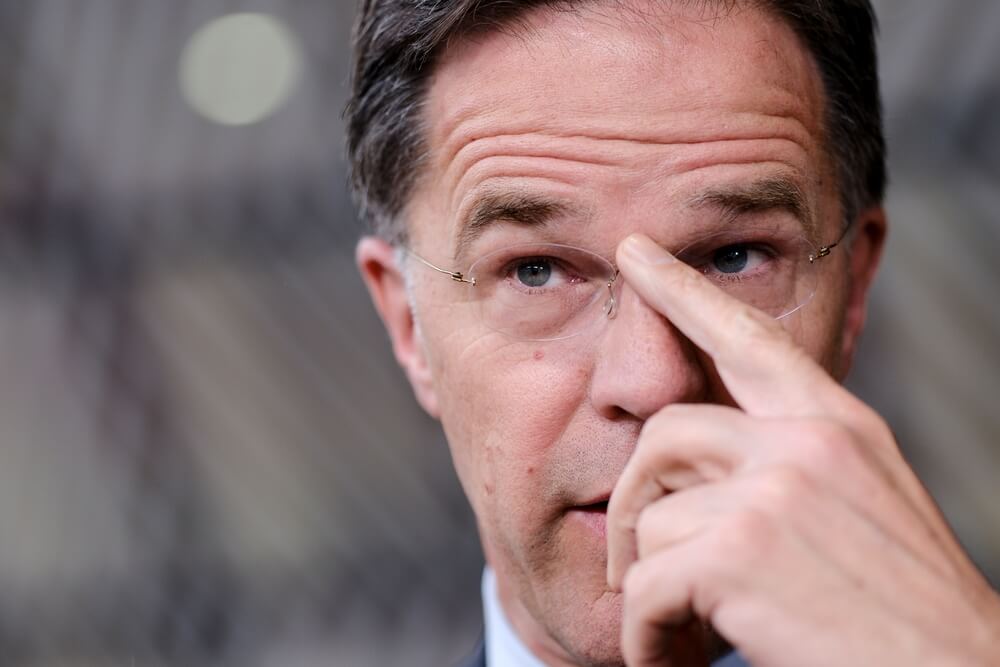
Any new security arrangement for Greenland must be reviewed by all NATO allies, Spain’s foreign minister has warned. Speaking to Euronews at the World Economic Forum in Davos, José Manuel Albares said a framework reportedly discussed between NATO Secretary General Mark Rutte and US President Donald Trump cannot bypass the alliance as a whole.
“This is a bilateral conversation, not NATO,” Albares told Euronews, stressing that Rutte was speaking to one ally, not negotiating on behalf of all members. He said fellow foreign ministers were equally in the dark, with only a brief announcement made public so far. According to Albares, any proposal will ultimately have to be brought before NATO’s council for consideration.
Greenland’s Future Is Not Up for Sale
The comments came after President Trump announced an agreement with Rutte aimed at boosting security in Greenland, potentially allowing the US to expand its military presence and bases in the Arctic. The move followed weeks of heightened tensions, during which Trump suggested Greenland was vital to US national security in countering Russia and China.
Albares rejected that narrative, insisting that decisions about Greenland belong solely to its people and to Denmark. “They have said it very clearly — they want to remain part of Denmark,” he told Euronews. Danish authorities have repeatedly echoed that position, underlining that Greenland’s sovereignty is non-negotiable and not part of any agreement. Polls also show little appetite among Greenlanders to become part of the United States.
Trump had earlier threatened tariffs on several European countries, including Denmark, France and Germany, to pressure a deal. Spain’s foreign minister said such tactics were unacceptable and warned that the EU would not negotiate under coercion.
Renewed Calls for a European Army
Beyond Greenland, Albares used the interview with Euronews to argue that Europe must strengthen its own security posture. He said the EU has tools to respond to US pressure but needs greater unity and deterrence to defend its values, particularly peace.
“If we want to remain a land of peace, where no one can threaten us with force or trade coercion, we need deterrence in our own hands,” he said. That, according to Albares, means closer cooperation among willing states, deeper integration of Europe’s defence industries and, ultimately, progress toward a European army.
As uncertainty grows around Arctic security and transatlantic relations, Spain’s message is clear: Europe must act together — and no major decisions should be made behind closed doors.
