


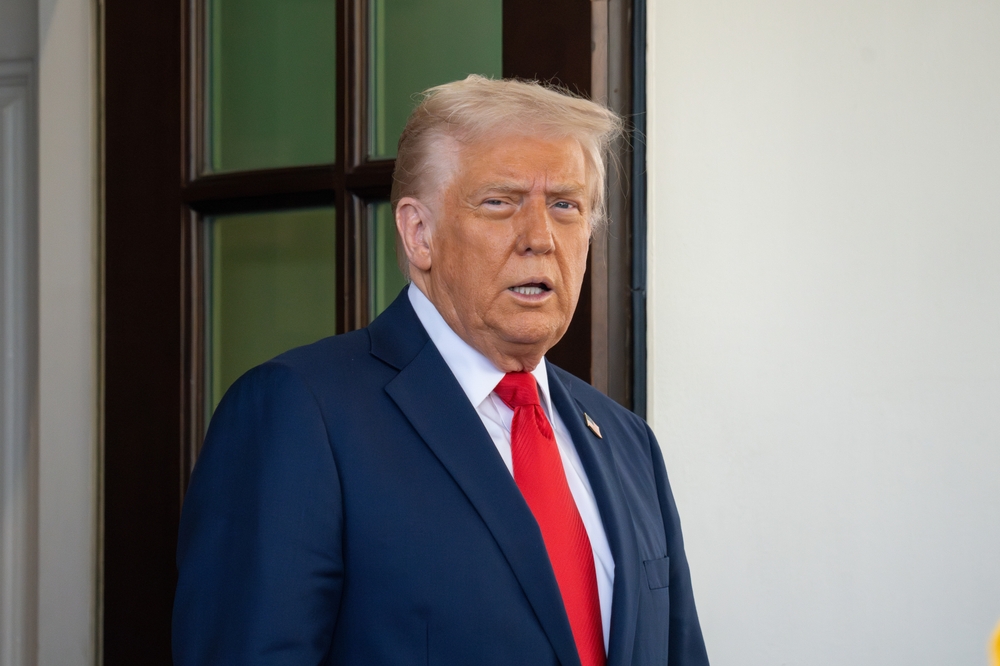
Justices Rule President Overstepped Authority
The Supreme Court of the United States on Friday struck down sweeping global tariffs imposed by Donald Trump, ruling that he exceeded his authority by relying on emergency powers to justify the measures.
In a 6–3 decision, the court found that the Constitution clearly grants Congress — not the president — the power to impose taxes, including tariffs. Writing for the majority, Chief Justice John Roberts said the nation’s founders did not assign any portion of the taxing power to the executive branch.
Justices Samuel Alito, Clarence Thomas, and Brett Kavanaugh dissented. Kavanaugh argued that whether the tariffs were wise or not was a policy question, but that, in his view, the law supported the president’s actions.
The ruling marks the first major test of Trump’s broad policy agenda before a court he reshaped during his first term with three conservative appointments.
Emergency Powers at the Center of the Fight
The case focused on Trump’s use of the International Emergency Economic Powers Act (IEEPA), a 1977 law that allows presidents to respond to foreign threats with economic measures such as sanctions and asset freezes. No president before Trump had used it to impose wide-ranging import taxes.
Trump declared trade deficits a national emergency in April 2025, unveiling what he called “reciprocal tariffs” on nearly every U.S. trading partner. Earlier duties targeting Canada, China, and Mexico were framed as responses to drug trafficking concerns.
A wave of lawsuits followed, brought by Democratic-leaning states, small businesses, and industry groups across the political spectrum. Critics argued that the emergency law did not authorize tariffs and failed constitutional tests previously used to strike down executive actions, including former President Joe Biden’s student loan forgiveness plan.
Although the ruling blocks the emergency-based tariffs, it does not prevent the administration from pursuing duties under other, more limited trade laws. White House officials have indicated they intend to maintain much of the tariff framework through alternative legal routes.
Economic Stakes and Market Reaction
The financial implications are substantial. The Congressional Budget Office has estimated the tariffs could have a $3 trillion impact over the next decade. Federal data show the Treasury collected more than $133 billion under the emergency measures by December, and roughly $240 billion since the president unveiled the broader plan in April 2025.
If courts ultimately require refunds, analysts at Capital Economics estimate the cost could reach $120 billion — about 0.5% of U.S. GDP. Justice Kavanaugh, in dissent, warned that sorting out potential repayments could become a “mess.” Major companies, including warehouse retailer Costco, have already sought reimbursement through legal action.
Markets initially reacted positively. Shortly after the decision was announced, the S&P 500 jumped as much as 1% before trimming gains. Investors have generally welcomed limits on tariff expansion, though many believe Trump will continue pressing his trade agenda despite the setback.
Earlier this year, Trump warned that an adverse ruling could cost the country “hundreds of billions of dollars” in repayments. Now, with the court’s decision in place, the future of his sweeping tariff strategy remains uncertain — and the legal and economic battles are far from over.
