


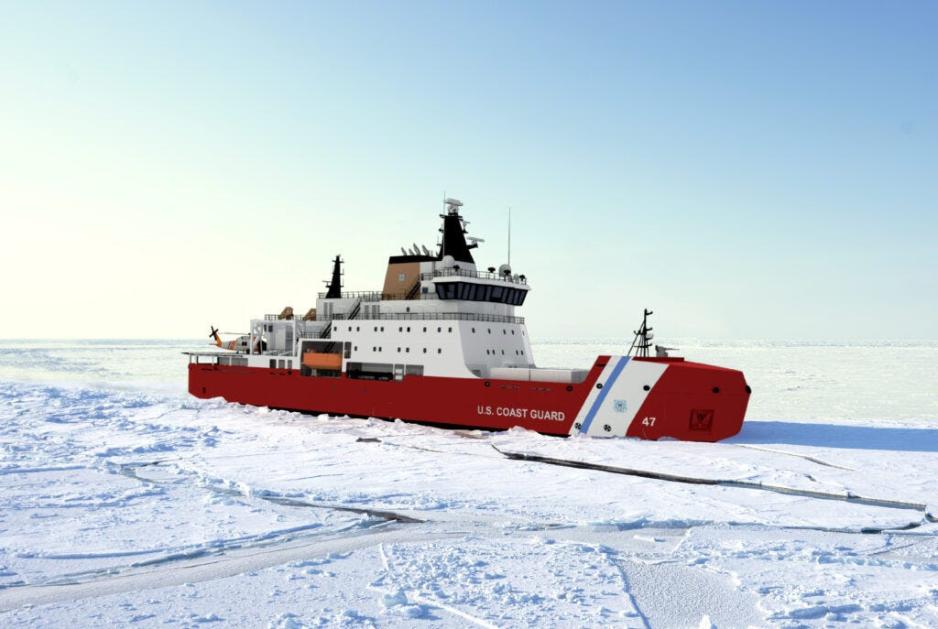
The United States and Finland have taken a major step to strengthen Arctic security cooperation with a $6 billion agreement to build new icebreakers. The deal highlights the growing partnership between the two nations as they address challenges in the Arctic region.
The icebreakers are designed to navigate the icy waters of the Arctic, improving both nations’ capabilities to operate in extreme conditions. They will play a key role in supporting regional security, transportation, and scientific research.
Officials from both countries emphasized that the Arctic is becoming increasingly important for global trade, environmental monitoring, and defense. “This partnership reflects our shared commitment to maintaining a stable and secure Arctic,” a U.S. representative said. Finnish authorities noted that the icebreakers would help strengthen Finland’s presence in northern waters while supporting international cooperation.
The construction of the icebreakers is expected to create jobs and enhance technological expertise in both countries. Shipyards in Finland and the United States will collaborate to design and build these advanced vessels. Experts say that such projects are crucial for maintaining a year-round presence in the Arctic, where ice conditions can make navigation extremely difficult.
The agreement also comes amid rising interest in the Arctic from global powers. Increased commercial shipping, energy exploration, and military activity have made the region a strategic priority. By investing in icebreakers, the U.S. and Finland aim to secure safe passages for shipping routes while ensuring rapid response capabilities for emergencies or security threats.
Analysts believe the deal reflects broader trends in Arctic security cooperation. Countries with Arctic interests are seeking stronger alliances to address climate-related challenges, protect marine resources, and ensure regional stability. The U.S.-Finland agreement sets an example of how nations can work together to combine resources and expertise.
Beyond security, the icebreakers will support scientific missions in the Arctic. Researchers rely on these vessels to study climate change, marine ecosystems, and polar ice conditions. Improved icebreaking capabilities mean that scientists can conduct research more safely and efficiently, even in harsh conditions.
The project also underscores a long-term strategic partnership. Finland’s experience with Arctic navigation and icebreaker technology complements the United States’ investment capacity and operational reach. Together, they can maintain a stronger presence in northern waters, benefiting both security and environmental monitoring.
Officials stress that the deal is not solely military in nature. While defense and security are priorities, the icebreakers will also assist with disaster response, search and rescue missions, and environmental protection. The vessels will enhance the ability to respond to emergencies such as oil spills, maritime accidents, or extreme weather events in the Arctic.
Industry experts highlight that icebreaker construction is complex and technologically advanced. Modern icebreakers must be powerful enough to cut through thick ice while remaining fuel-efficient and environmentally responsible. Collaboration between U.S. and Finnish shipbuilders will likely result in innovative designs that set new standards for Arctic vessels.
In addition to national benefits, the agreement is expected to reinforce international Arctic cooperation. The United States and Finland are part of broader efforts to maintain peace and stability in the region, working alongside other Arctic nations. The icebreakers will help uphold international rules for safe navigation and responsible resource management.
The $6 billion deal marks a significant investment in Arctic infrastructure. As climate change reshapes polar ice and opens new shipping routes, nations are increasingly focused on ensuring safe and sustainable operations. The U.S.-Finland partnership demonstrates proactive measures to address these challenges while fostering regional security.
By combining financial resources, technical expertise, and operational experience, the United States and Finland aim to maintain a strong and cooperative presence in the Arctic. The icebreaker project is expected to serve as a model for future international collaboration in the region.
