
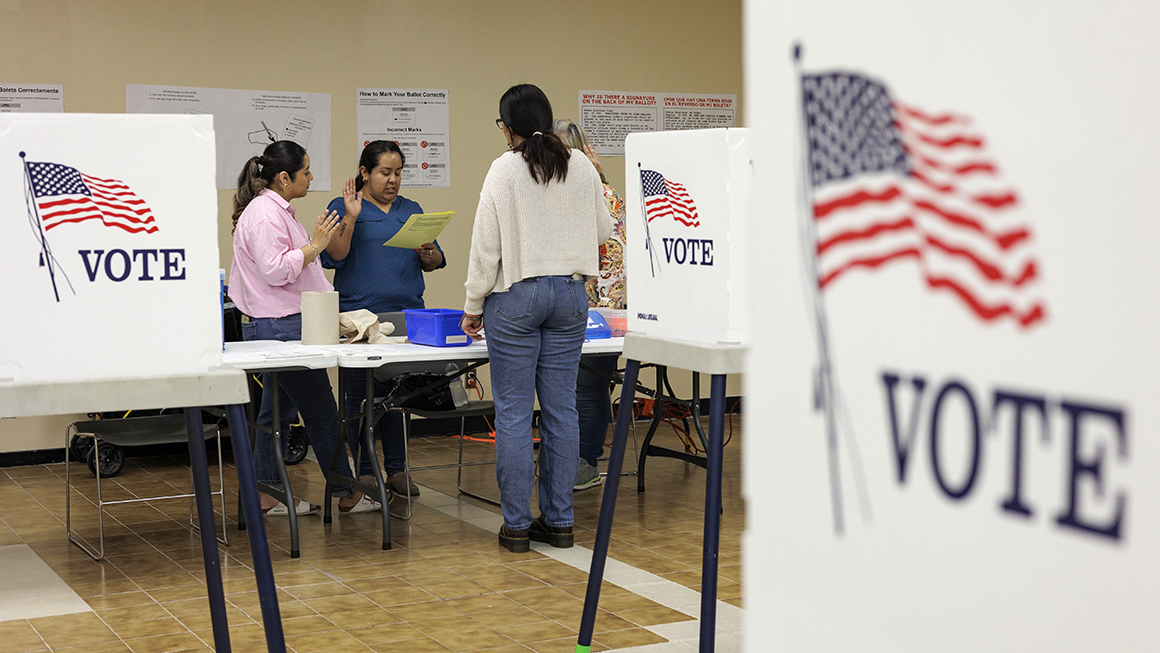
Across the United States, a clear U.S. voter engagement rise is being reported in new national surveys. More citizens are showing interest in elections and policy debates. This growing attention is also pushing civic groups to expand outreach programs.
Recent survey data shows that many Americans are paying closer attention to political news. They are following discussions on healthcare, the economy, and government decisions more actively than before. This shift reflects stronger public awareness of national issues.
The U.S. voter engagement rise is also visible in how people participate in civic life. More citizens are attending local meetings, joining community discussions, and engaging in public forums. Civic activity is increasing beyond just voting.
Civic organizations say they are responding to this trend by expanding voter education programs. These efforts aim to help people understand how elections work. They also focus on how policy decisions affect everyday life.
Many groups are increasing voter registration drives. These programs are targeting both young voters and underrepresented communities. The goal is to make participation easier and more accessible.
Experts say rising engagement often appears before major election cycles. When elections approach, public interest in politics tends to increase. This can lead to higher awareness and sometimes higher turnout.
The U.S. voter engagement rise is also linked to digital platforms. Social media and online news sources are making political information more accessible. This allows people to follow debates and updates in real time.
However, experts also warn about misinformation. They say false or misleading content can affect how people understand political issues. Civic groups are working to promote accurate information and media literacy.
Education programs are becoming a key focus. Many organizations are teaching citizens how to verify sources and understand policy details. This is seen as important for informed voting.
Young voters are a major focus of these efforts. Surveys show that younger citizens are more active online but may be less consistent in voting. Civic groups are trying to close this gap through outreach and education.
At the same time, older voters remain highly engaged. They continue to participate in elections at strong rates. This mix of age groups is shaping the overall political landscape.
The U.S. voter engagement rise also reflects broader concerns about trust in institutions. Some citizens say they want more transparency in government decisions. Others are looking for clearer communication from leaders.
Civic leaders say engagement is not just about voting. It also includes understanding issues, attending discussions, and holding leaders accountable. These activities are seen as part of a healthy democracy.
Political analysts say rising engagement can influence election outcomes. When more people are informed and active, campaigns must address a wider range of concerns.
There is also growing focus on local-level participation. State and city elections are receiving more attention as citizens recognize their direct impact on daily life.
Despite increased interest, challenges remain. Some communities still face barriers to participation, including lack of information or access. Civic groups are working to reduce these gaps.
The U.S. voter engagement rise is expected to continue as election cycles approach. Experts say sustained outreach efforts will be important to maintain momentum.
As public interest grows, civic organizations are preparing for larger participation drives. They aim to ensure that more citizens are informed, registered, and ready to take part in upcoming elections.
