


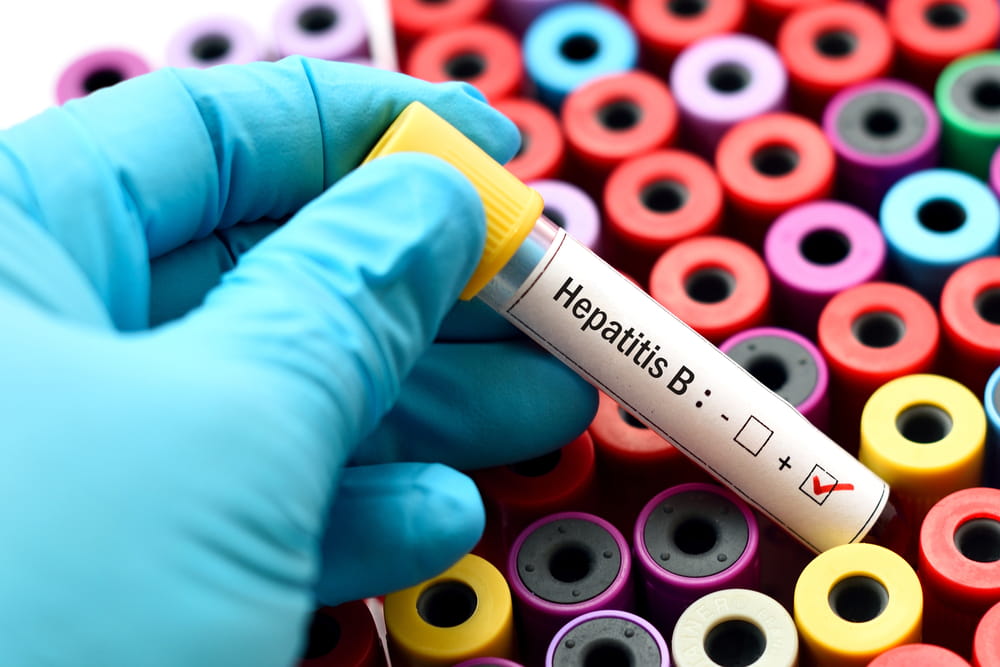
A controversial US-funded study on hepatitis B vaccination among newborns in Guinea-Bissau has been cancelled, according to senior officials at the Africa Centres for Disease Control and Prevention. The $1.6m trial, overseen under the authority of Robert F Kennedy Jr and the US Department of Health and Human Services, had drawn widespread criticism for ethical reasons, particularly concerns that it would withhold a proven hepatitis B vaccine from thousands of newborns in a country with a high burden of the disease.
Africa CDC said the study design raised serious ethical challenges and did not meet acceptable research standards. While officials in Guinea-Bissau initially suggested the trial could still proceed, Africa CDC confirmed it would only move forward if fully redesigned to comply with ethical regulations. A senior Guinea-Bissau official later confirmed in writing that the trial had been cancelled, stating the country would continue its existing vaccination schedule until a universal birth-dose programme begins in 2027.
The proposed study attracted comparisons to the Tuskegee syphilis experiment and was criticised by infectious disease experts, including Paul Offit, who argued that the funds should instead be used to vaccinate as many children as possible. About 18% of adults and 11% of infants in Guinea-Bissau are infected with hepatitis B, with early infection carrying a high risk of long-term liver disease.
Public health researchers described the cancellation as a significant moment for research ethics in Africa, signalling stronger institutional resistance to studies viewed as exploitative. The Danish researchers behind the trial have not publicly responded to the cancellation, and the future of any revised study remains unclear.
