

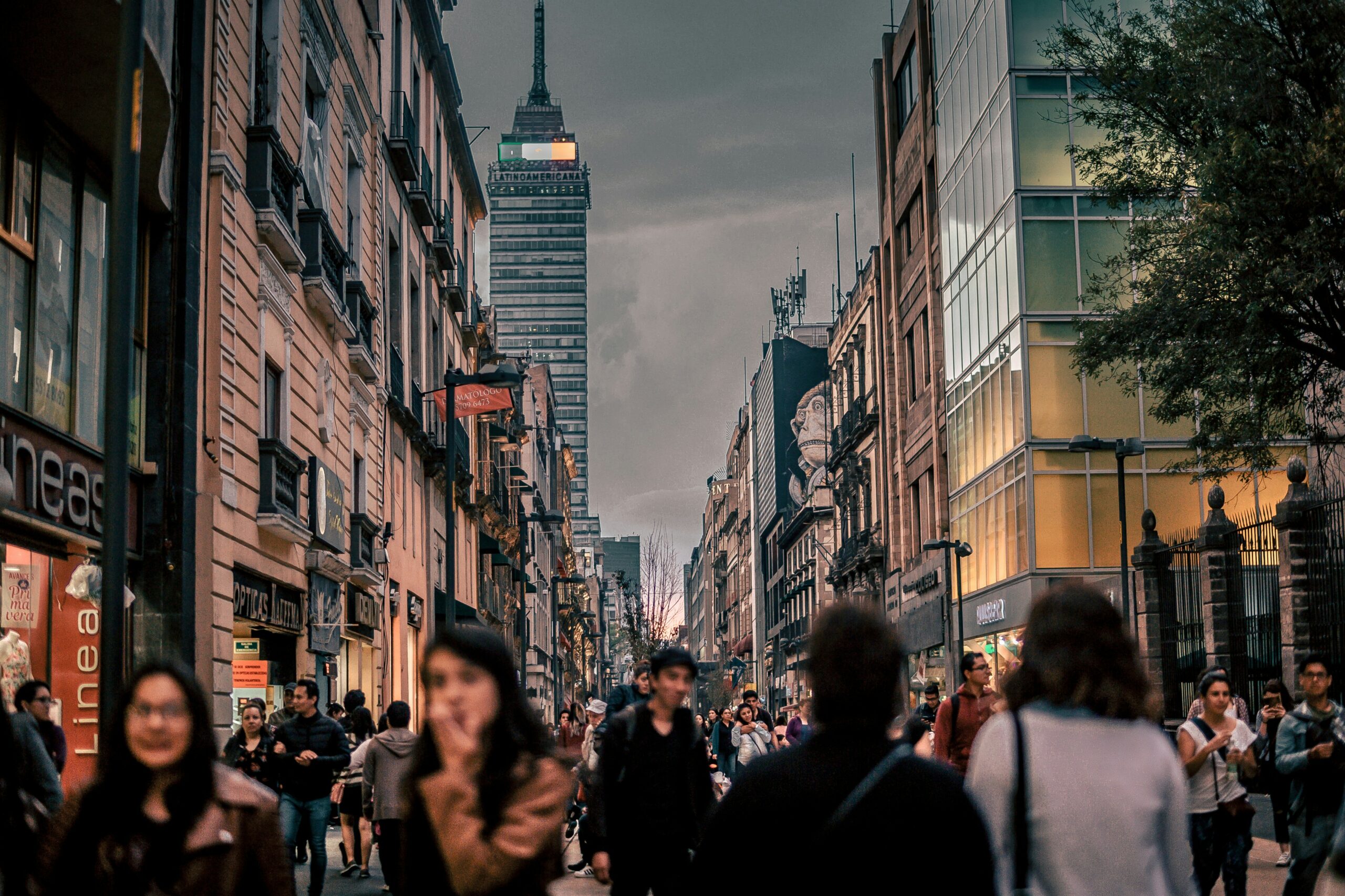
Thousands of young people filled Mexico City’s streets on Saturday as part of a nationwide outcry against corruption, rising violence, and state indifference. What began as a peaceful march rapidly escalated into clashes in the Zócalo, leaving 20 civilians injured, more than 100 police officers hurt, and roughly 20 people arrested.
Generation Z organizers urged simultaneous demonstrations in 52 Mexican cities and in countries such as the United States, Canada, the Netherlands, and Germany. The call resonated powerfully, transforming a civic march into one of the most significant youth-led movements the nation has seen in recent years.
The murder of Uruapan mayor Carlos Manzo on 1 November ignited this wave of unrest. Manzo had repeatedly pleaded for federal assistance against organized crime in Michoacán, but officials ignored his warnings. His death became the breaking point for young people who believe the political system has lost credibility and failed to protect its citizens.
Students, activists, community groups, and disillusioned citizens of all ages marched together. Mexico City Security Secretary Pablo Vázquez confirmed the day’s toll after confrontations erupted in the heart of the capital.
Confrontations Erupt as Protesters Reach the National Palace
The march proceeded without violence until reaching the Zócalo. A group identified as the “black bloc” moved through the crowd and struck the National Palace barricades with hammers, sticks, and stones. As the barriers collapsed, police forces intervened with tear gas and fire extinguishers to stop the advance.
Emergency teams treated dozens on-site and transported 40 police officers to hospitals, including four who required specialized medical attention. Paramedics assisted 20 injured civilians.
Authorities processed the detainees for violent conduct, while others face administrative sanctions. Investigators, working with the Mexico City Attorney General’s Office, continue identifying individuals responsible for property destruction and assaults.
From Tabasco, President Claudia Sheinbaum condemned the violence and urged peaceful mobilization, insisting that social transformation must never rely on confrontations. She attempted to downplay the impact of the march, asserting that “very few young people” participated despite the overwhelming turnout.
Generation Z Pushes a Renewed Civic Agenda
Mexico’s Generation Z frames itself as a civic and independent force, motivated by frustration, economic pressure, and declining trust in institutions. Their guiding message rejects the traditional political spectrum: “We are not with parties; we are with our future.”
Days before the national march, the movement released an expanded list of civic reforms they want public institutions to adopt. Their updated demands include:
- A fully citizen-driven recall mechanism triggered by verified public signatures.
- A rapid special election to choose new leadership after a recall.
- Legal protections that ban political parties from influencing recall processes.
- Transparent selection of institutional leaders through independent civic panels.
- A judicial modernization plan requiring strict timelines for court decisions.
- Community-based anti-corruption watchdog groups with public reporting mandates.
- Civilian-led oversight of local security forces and a gradual rollback of militarization.
- Mandatory disclosure of all federal and state expenditure in real time.
- Expanded youth apprenticeships, scholarships, and regional job creation programs.
- A national housing strategy to limit displacement and regulate speculative development.
- Inclusion of respected academics, scientists, and social leaders in public advisory boards.
- A public consultation to refine and broaden the national civic demands.
This mobilization reflects a global pattern of youth-driven political awakening. Generation Z movements have surged across Nepal, Mongolia, Togo, Madagascar, Morocco, Paraguay, Peru, Bangladesh, and Indonesia. Young people, empowered by digital platforms such as TikTok, Instagram, and X, organize without traditional party structures or media channels.
They rally around shared frustrations: unstable economies, political corruption, insecurity, unaffordable living costs, and shrinking opportunities. In several countries, including Nepal, youth activism has reshaped or toppled governments.
In Mexico, the message is clear: young people are no longer willing to accept a system they believe has failed them. They demand not only reforms but a transformation of how power operates and whom it serves.
