


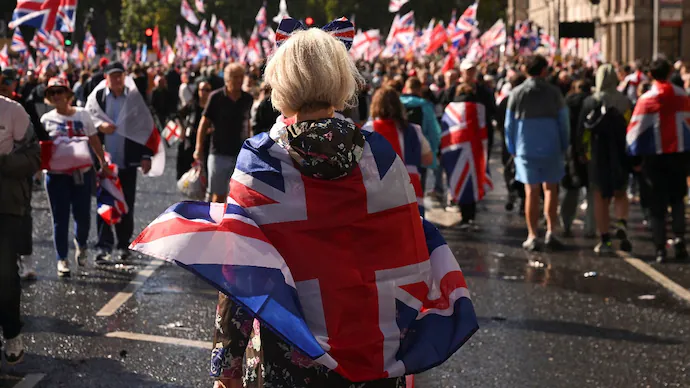
Londoners are being urged to show opposition to Donald Trump’s politics of fear and division following a far-right march that brought tens of protesters onto the city’s streets. Community leaders emphasize the importance of standing united against extremist ideologies and safeguarding the city’s inclusive values.
The march, organized by far-right groups, drew attention to rising concerns about extremism and the influence of divisive political rhetoric. Organizers of counter-events highlighted the need for solidarity, calling on residents to reject intimidation and fear-based messaging.
Observers note that far-right activism has been emboldened internationally, with rhetoric from political figures like Trump cited as inspiration for similar movements abroad. London’s diverse communities are particularly vigilant against attempts to import polarizing ideologies into local politics and society.
Local activists stressed the importance of civic engagement. “We cannot be passive,” said one community organizer. “If Trump-style politics and far-right ideologies are allowed to normalize, it threatens the very fabric of our city and our democracy. London must stand as a model of tolerance and inclusion.”
The march prompted a heightened security presence across central London. Police ensured the event remained contained and prevented clashes between demonstrators and counter-protesters. Authorities also monitored social media channels for potential escalation.
Residents and civic leaders point to the broader cultural and political context. Recent elections, global migration debates, and social media amplification of extremist viewpoints have contributed to growing anxiety among communities. The London march reflects wider international trends, highlighting the need for vigilance and proactive civic action.
Public figures and commentators have called for promoting civic unity and education. Schools, community centers, and local media are being encouraged to foster dialogue about the dangers of fear-driven politics and the importance of diversity and inclusion.
Experts note that Trump’s rhetoric, often described as populist and fear-based, resonates with certain groups who feel disenfranchised or threatened by social change. While most Londoners reject such messaging, far-right groups use it to mobilize supporters and generate publicity.
Community events following the march emphasized positive engagement, highlighting cultural diversity, shared civic values, and collective action against extremism. Speakers at rallies stressed that fear and division are not inherent to democracy and can be countered through active participation and empathy.
Social media platforms have amplified both the march and the counter-events. Analysts caution that online discourse can reinforce polarization, but it also provides an opportunity for campaigns promoting tolerance, fact-based information, and civic engagement to reach wide audiences.
Political leaders in London have reiterated their commitment to safeguarding inclusive governance and rejecting extremist narratives. Statements from the mayor and council officials emphasized that London remains open, diverse, and resilient against attempts to sow division.
Residents themselves are increasingly organizing neighborhood initiatives, forums, and community discussions aimed at educating citizens about extremist tactics and encouraging participation in local politics. These grassroots efforts aim to strengthen democratic values and ensure that fear-based politics do not take root.
In conclusion, the far-right march in London serves as a reminder of the continuing challenge posed by divisive political ideologies. Community leaders, civic organizations, and residents are uniting to show that Trump-style politics of fear and extremism have no place in the city. By promoting dialogue, inclusion, and active engagement, Londoners aim to preserve the city’s values and demonstrate that tolerance and unity are stronger than fear.
