


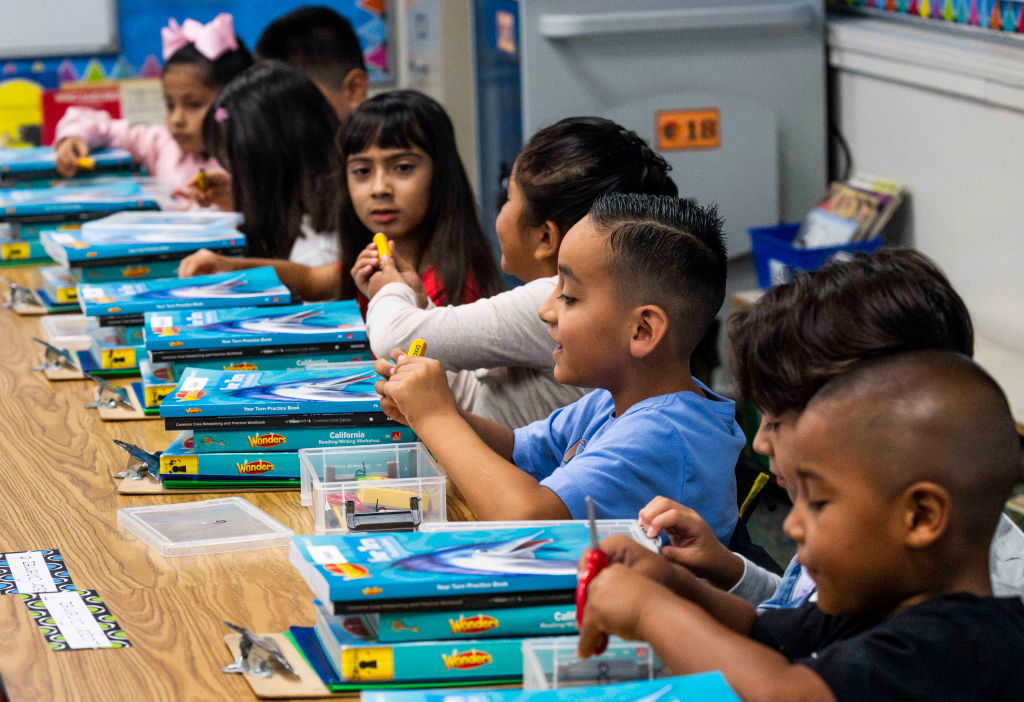
The US education reform movement is gaining steady momentum across many American states in 2026. Lawmakers, educators, and local communities are working together to improve school systems. The focus is on stronger literacy skills, better science and math education, and more practical job training for students.
Across the country, state governments are introducing new policies to improve learning outcomes. The US education reform efforts vary by region, but the overall goal is similar. Schools want to prepare students better for college, careers, and a changing economy. Many experts say this shift is long overdue.
One of the key priorities is literacy improvement. Many states are updating reading programs in early education. Teachers are using structured reading methods that focus on phonics and comprehension. The aim is to ensure that children can read at grade level by the end of primary school. Schools are also adding more support for students who struggle with reading skills.
STEM education is another major focus of US education reform. STEM stands for science, technology, engineering, and mathematics. Schools are adding more hands-on learning in these subjects. Students now work on projects, experiments, and real-world problem solving. This approach helps them understand concepts more deeply and improves engagement in classrooms.
Technology is also changing how students learn. Many schools now use digital tools and online platforms in daily lessons. Tablets, laptops, and smart classrooms are becoming more common. These tools allow teachers to personalize learning and track student progress more effectively.
Vocational training is also expanding. Not every student follows a traditional college path. Many states are now offering stronger career and technical education programs. These programs teach practical skills in areas like healthcare, construction, automotive repair, and information technology. Students can graduate with job-ready skills, which helps them enter the workforce faster.
The US education reform movement also includes partnerships with local businesses. Companies are working with schools to design training programs. Some students even get internships while still in school. This helps them gain real-world experience and understand job expectations before graduation.
Teachers play a central role in these reforms. Many states are investing in teacher training and support. Professional development programs help educators learn new teaching methods and use modern technology in classrooms. There is also growing attention on teacher shortages in some regions. States are trying to attract and retain more qualified educators through better pay and incentives.
However, challenges remain. Funding differences between school districts continue to create inequality. Wealthier areas often have better facilities and more resources. Poorer districts may struggle to implement new programs at the same speed. This creates gaps in educational quality.
Standardized testing is another debated issue in US education reform. Some educators argue that too much testing puts pressure on students and limits creativity. Others believe tests are necessary to measure progress and accountability. Many states are now trying to balance both concerns by reducing test pressure while still tracking performance.
Parents also play an important role in these changes. Many schools are increasing communication with families. Parent-teacher engagement programs help families support learning at home. This cooperation is seen as important for student success.
Mental health support in schools is also improving. Counselors and support staff are being added in more districts. Schools are recognizing that emotional well-being affects learning outcomes. Programs now focus on stress management, bullying prevention, and student safety.
Experts say the US education reform movement reflects a broader economic need. The job market is changing quickly due to technology and automation. Schools must prepare students with both academic knowledge and practical skills. This includes critical thinking, communication, and digital literacy.
Looking ahead, education reform is expected to continue evolving. More states may expand STEM programs and vocational pathways. Digital learning tools will likely become even more advanced. Policymakers are also expected to focus on reducing inequality between school districts.
In conclusion, American education is going through important changes at the state level. The focus on literacy, STEM, and job training shows a shift toward more practical learning. While challenges remain, the direction of reform suggests a stronger and more flexible education system for future generations.
