


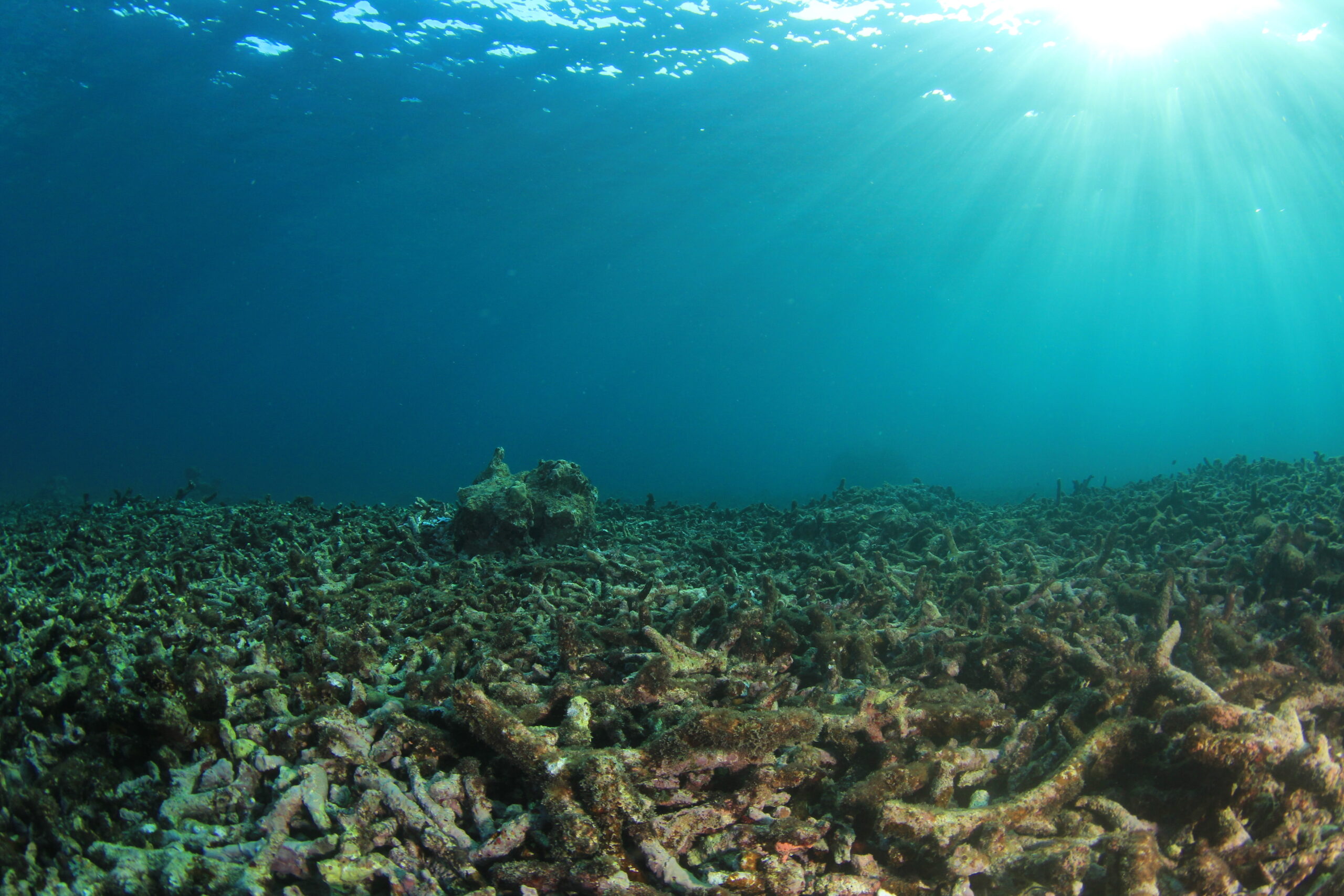
The world’s oceans have failed a key planetary health check for the first time, with acidity levels now beyond safe limits for marine life.
The Potsdam Institute for Climate Impact Research reported that ocean surface pH has dropped by about 0.1 units since the industrial era, a 30-40% increase in acidity. This shift threatens coral reefs, shellfish, Arctic ecosystems and ultimately global food security.
Seven of nine planetary boundaries have now been breached, including climate change, land use, freshwater, and biodiversity loss. Scientists stress that fossil fuel emissions are the main driver, as carbon dioxide absorbed by oceans turns into carbonic acid, reducing calcium carbonate essential for shells and skeletons.
The report warns that ocean acidification also undermines the sea’s ability to absorb heat and capture carbon, vital roles for climate stability.
Researchers called for urgent cuts to fossil fuel use, stronger pollution controls and better fisheries management. Levke Caesar, co-lead of the Planetary Boundaries Science Lab, said the data left her “afraid” but stressed action could reverse trends.
Past international agreements such as the Montreal protocol prove global cooperation can succeed, the authors noted. Johan Rockström, the institute’s director, said: “The diagnosis is dire, but the window of cure is still open. Failure is not inevitable; failure is a choice.”
