


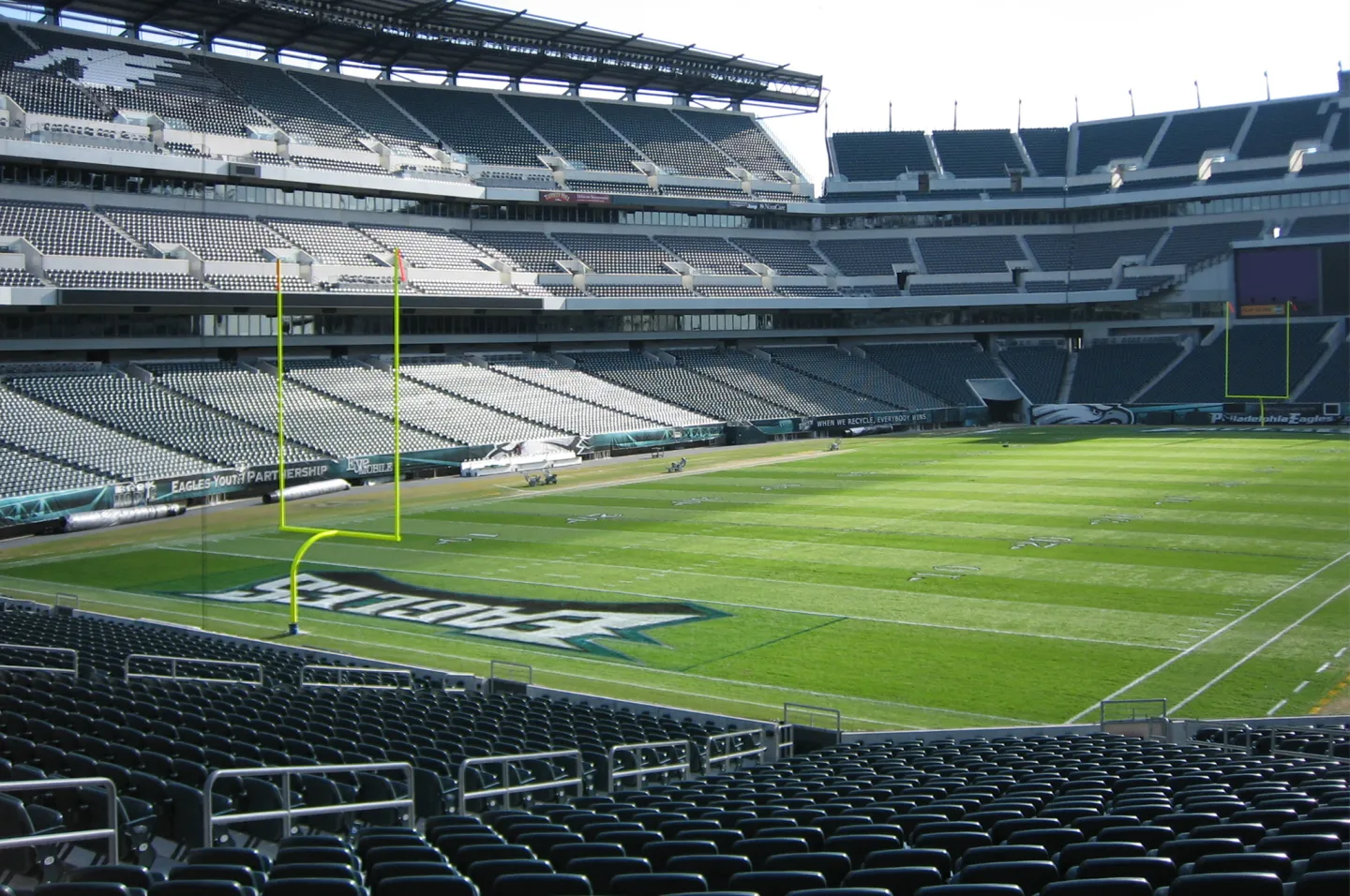
NFL stadiums across the United States are increasingly adopting green practices to reduce their environmental impact. These initiatives focus on energy efficiency, recycling, and sustainable resource management.
Lincoln Financial Field in Philadelphia is a leading example. The stadium now generates 40% of its energy from solar panels and recycles tens of tons of aluminum each year. These efforts help reduce both carbon emissions and waste.
Other stadiums are following suit. Mercedes-Benz Stadium in Atlanta and Levi’s Stadium in Santa Clara have introduced composting programs, rooftop gardens, rainwater collection systems, and extensive recycling operations. These measures aim to minimize environmental impact while enhancing sustainability.
The initiatives are part of the NFL’s “NFL Green” program. This program supports environmental projects linked to major events, including the Super Bowl, and encourages stadiums to adopt long-term eco-friendly practices.
Experts say these efforts demonstrate how sports venues can play a major role in promoting sustainability. By adopting renewable energy and resource management programs, stadiums can significantly reduce their ecological footprint.
Fans also benefit from these green measures. Recycling stations, energy-efficient lighting, and water-saving programs create a more sustainable experience for visitors. Stadiums are increasingly using education campaigns to raise awareness among attendees about environmental responsibility.
NFL Green has helped stadiums implement various innovative solutions. Rainwater cisterns collect water for irrigation, while composting initiatives reduce landfill waste. Rooftop gardens not only absorb rainwater but also provide fresh produce for stadium operations and local communities.
The program encourages collaboration with local organizations. By partnering with environmental groups, stadiums can support community projects, promote clean energy, and improve local ecosystems. These partnerships enhance the social and environmental impact of major sporting events.
Sustainability in sports is becoming a key priority. NFL stadiums serve as examples of how large venues can reduce their environmental footprint while maintaining high operational standards. Other professional sports leagues are taking note and adopting similar strategies.
The NFL’s commitment to green practices aligns with global efforts to combat climate change. By investing in renewable energy, recycling, and sustainable infrastructure, stadiums contribute to a broader shift toward environmentally responsible operations.
Future projects include expanding solar energy capacity, increasing composting programs, and incorporating more sustainable materials in construction and renovations. Stadiums are also exploring electric vehicle charging stations and low-emission transportation options for fans.
These efforts highlight how large-scale venues can influence both the sports industry and communities. By setting an example, NFL stadiums inspire fans, cities, and businesses to adopt greener practices.
NFL Green initiatives demonstrate that sustainability and professional sports can go hand in hand. As stadiums continue to implement these practices, the league strengthens its role as a leader in environmentally conscious operations.
Fans, players, and local communities benefit from the cleaner, more sustainable environment created by these efforts. The NFL’s ongoing commitment ensures that major sporting events remain both entertaining and responsible for the planet.
