


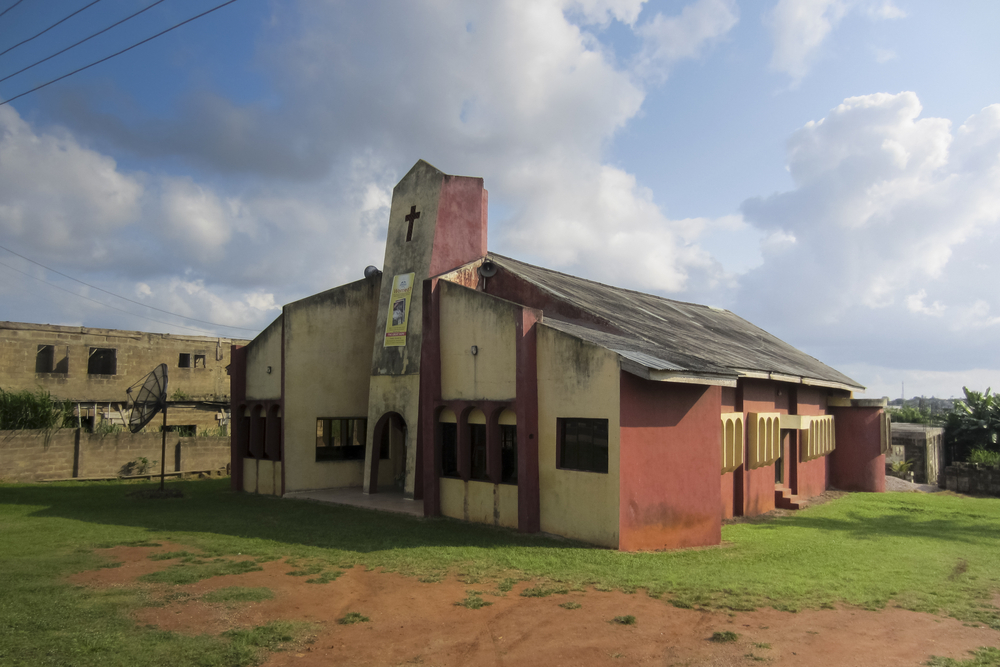
Nigeria faces rising tension after U.S. President Donald Trump ordered the Pentagon to prepare for possible military action. Trump warned that continued killings of Christians could trigger a U.S. intervention, promising to act “fast, vicious, and sweet.” His statement shocked Nigerians and reignited debate about alleged religious persecution.
Nigeria’s President Bola Ahmed Tinubu rejected the idea of military interference but offered to meet Trump to discuss security cooperation. He emphasized that any collaboration must respect Nigeria’s sovereignty. Earlier, Tinubu said claims of widespread Christian persecution do not reflect Nigeria’s complex religious landscape. His spokesperson Daniel Bwala suggested that Trump’s warning might serve as a negotiation tactic, given both nations already share intelligence and cooperate on counterterrorism.
Divisions Deepen Over Faith and Violence
Nigeria’s insecurity remains complicated by its near-equal Christian and Muslim population. The Boko Haram insurgency continues to destabilize the north, targeting both Muslims and Christians. Amnesty International reported over 10,000 deaths from jihadist attacks since Tinubu took office. While Washington frames the crisis as Christian genocide, many Nigerians see broader ethnic, political, and economic roots.
Christian leaders argue otherwise. Reverend Ezekiel Dachomo insists a deliberate massacre is underway, accusing the government of minimizing the problem. Human rights groups like Open Doors and International Christian Concern recorded over 7,000 Christian deaths in 2025, calling the violence targeted persecution. A resurfaced 2014 statement from Tinubu, then in opposition, criticized former president Goodluck Jonathan for failing to protect Christian worshippers, fueling heated national debate.
Resource Interests Shadow U.S. Intentions
Trump’s warning followed U.S. Senator Ted Cruz’s call to label Nigeria a violator of religious freedom. Some Nigerians, like broadcaster Cyril Abaku, believe foreign intervention could help restore security, arguing that terrorism now threatens global stability. Others remain wary. Analysts claim Trump’s concern may mask strategic motives tied to Nigeria’s mineral wealth.
The country’s northeast holds vast monazite deposits rich in lithium, nickel, cobalt, copper, lanthanum, and other rare elements vital for defense and clean energy technologies. Critics argue that Washington’s interest may hinge on securing these critical resources.
“Nigeria doesn’t need foreign saviors,” said activist Omoyele Sowore. “It needs honest, accountable leadership that protects its people and ends the corruption destroying it.” The U.S. once labeled Nigeria a “country of particular concern” in 2020 for religious freedom violations, though it did not specify attacks against Christians at the time.
