


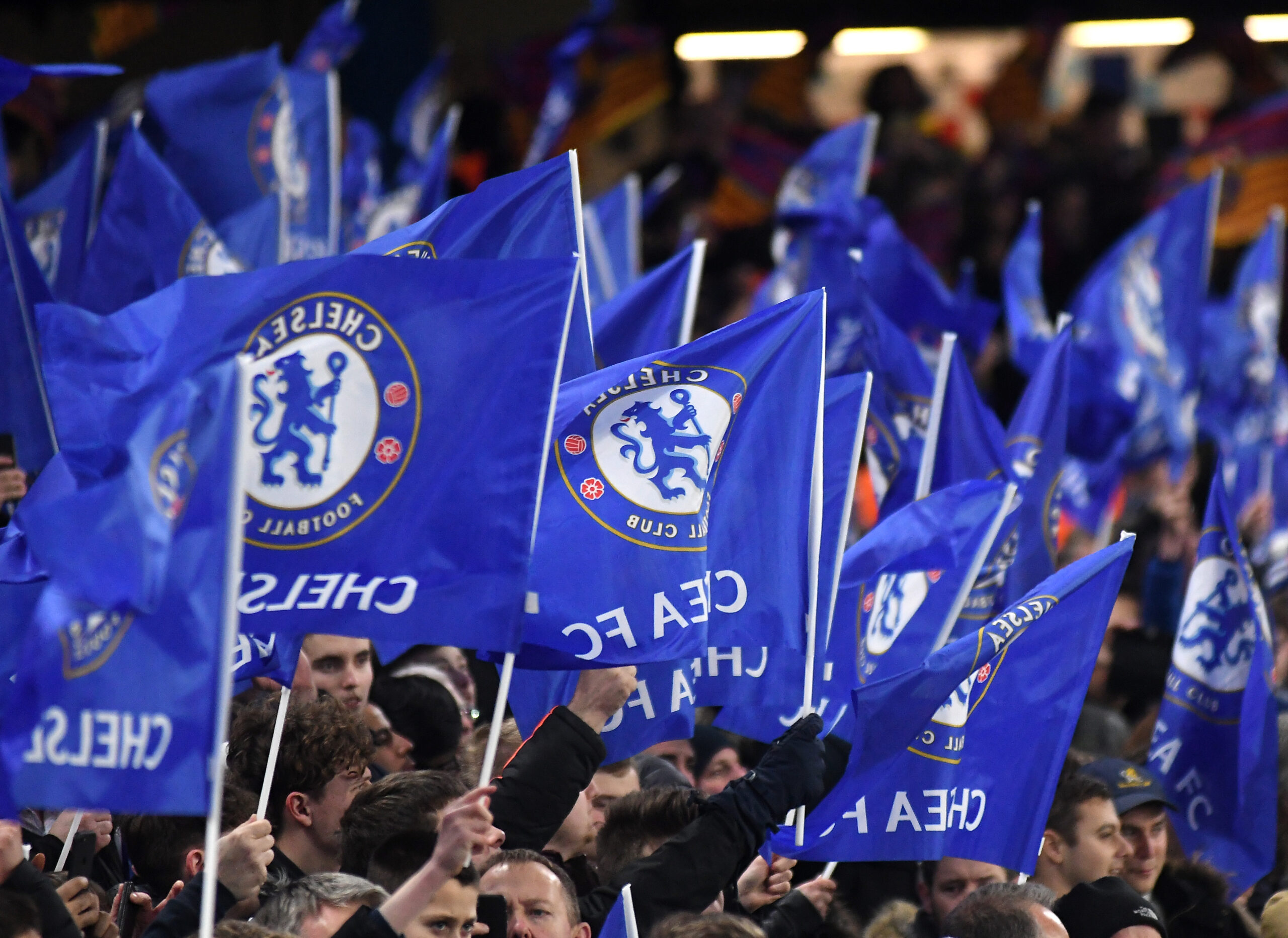
Chelsea’s hierarchy remain fully behind Enzo Maresca and his rotation strategy after the club’s 2-2 draw with Qarabag in the Champions League.
Despite questions over his decision to make seven changes to the starting XI in Baku, club executives view Maresca’s approach as a calculated long-term plan rather than a gamble. They believe that regular rotation is essential for maintaining fitness and squad harmony during a demanding season.
Chelsea’s depth has been tested by injuries to key players including Pedro Neto, Cole Palmer, Levi Colwill, and Benoît Badiashile, while Moisés Caicedo, Enzo Fernández, and João Pedro have been carrying minor knocks. Maresca initially benched Caicedo and Fernández to manage workloads, but was forced to call on the Ecuadorian after Roméo Lavia limped off early with a thigh injury.
The club’s leadership accepts that inconsistency is inevitable as younger players adapt. Andrey Santos, Tyrique George, Jamie Gittens, and Jorrel Hato struggled in Azerbaijan, but Maresca’s commitment to developing them aligns with Chelsea’s long-term vision.
A Chelsea source described the strategy as “smart squad management,” insisting that Maresca would be criticised more for risking key players than for rotating. His careful handling of Reece James and Wesley Fofana is cited as evidence of the approach working.
While results have varied, Chelsea believe Maresca’s rotation will pay dividends later in the season — keeping the squad fresh for crucial fixtures across four competitions.
