


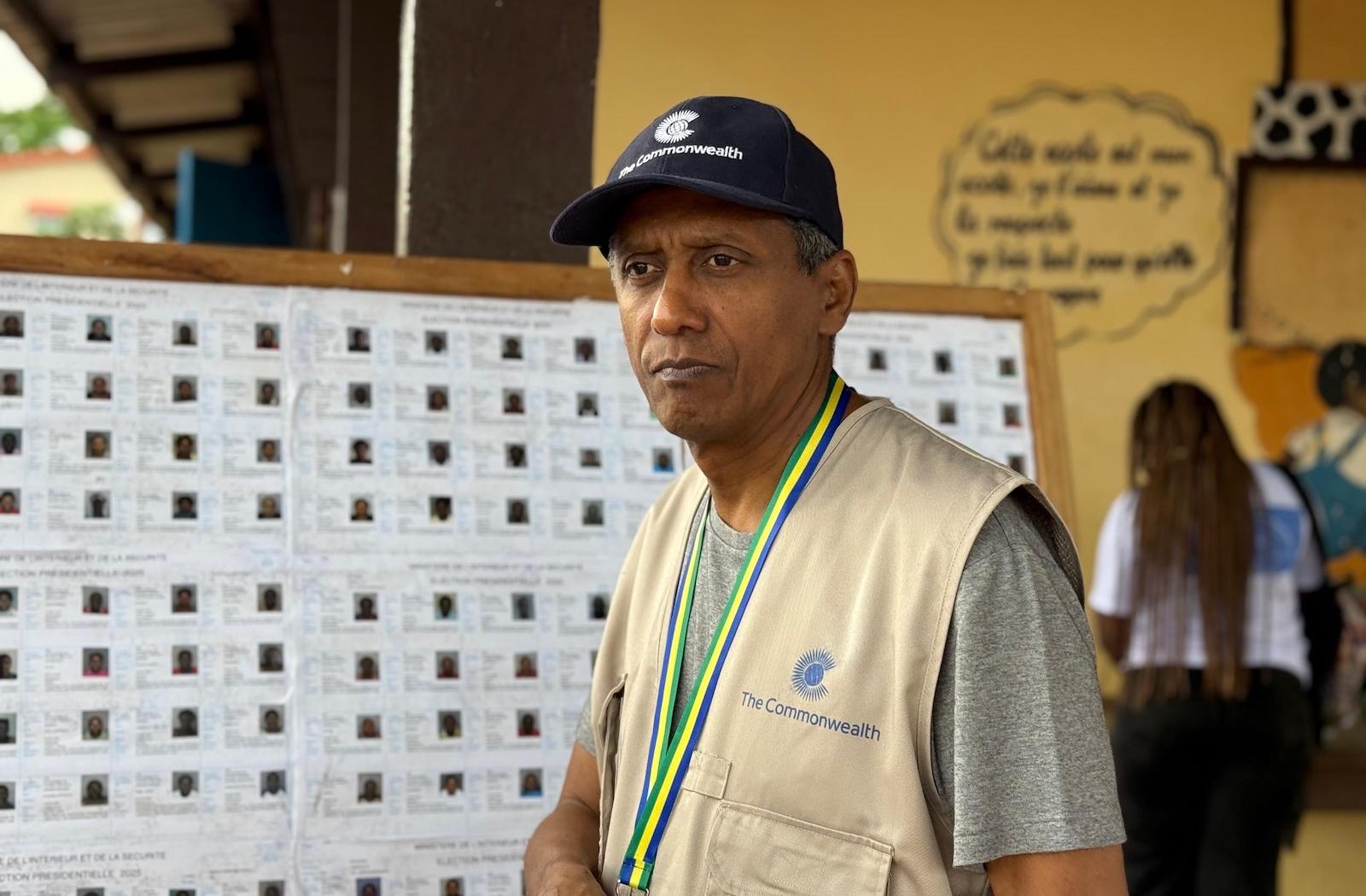
The Commonwealth Observer Group has released a report urging Gabon electoral reform to strengthen the country’s democratic institutions. The group acknowledged that Gabon was in a period of political transition and recommended both immediate and long-term steps to support credible elections and institutional growth.
The report highlights the importance of the upcoming local and parliamentary elections later this year. It suggests a dual approach: short-term actions to ensure smooth electoral processes and long-term reforms to build institutional capacity for sustainable progress.
The observer group praised the Election and Referendum Control Authority (ACER) for its key role in past elections. However, the report stresses that ACER’s effectiveness could be improved. Recommendations include proactive measures by members to ensure full compliance with electoral laws. These measures involve comprehensive training on the Electoral Code, regular assessments to confirm members’ understanding, and extending the appointment period of ACER officials to allow more time for proper execution of their duties.
Polling staff, candidates, law enforcement agencies, civil society, and the media were commended for their contributions to the electoral process. Their combined efforts were seen as critical in ensuring the elections were conducted smoothly and peacefully.
Commonwealth Secretary-General Shirley Botchwey emphasized the report’s significance, saying it represents a step forward in building resilient democratic institutions in Gabon. She noted that the short-term recommendations would be particularly helpful as the country approaches the September elections. Botchwey also commended the Gabonese people for their peaceful participation and reiterated the Commonwealth’s commitment to supporting the nation’s democratic journey.
The final report was drafted in Gabon, reviewed, and approved by the group’s Chairperson, former President of Seychelles Danny Faure, along with other international observers. It expands on the preliminary findings released two days after the presidential election, providing more detailed guidance on institutional reforms.
The report has now been officially shared with Gabon’s government and relevant stakeholders. Observers hope that its recommendations will guide both immediate electoral improvements and long-term democratic reforms. The group believes that strengthening electoral institutions like ACER is key to ensuring transparency, fairness, and public confidence in Gabon’s elections.
Experts note that implementing these reforms could enhance the overall political environment in Gabon. Strengthened institutions are expected to provide clear frameworks for election management, legal compliance, and citizen engagement. This could reduce disputes and ensure that future elections are free, fair, and widely trusted.
The Commonwealth Observer Group stressed that a proactive approach to Gabon electoral reform is crucial. Comprehensive training, extended mandates, and regular assessments for ACER members can help prevent procedural gaps and reinforce legal compliance. Civil society and media participation, combined with well-trained officials, form the backbone of credible electoral processes.
Looking ahead, the observer group’s recommendations aim to create a long-term vision for Gabon’s democracy. By combining immediate measures with strategic institutional reforms, the country could set a model for stable and transparent elections in the region. The group emphasized that ongoing support from international partners will be vital in helping Gabon achieve these democratic goals.
The report is seen as a roadmap for Gabon’s electoral improvement, offering actionable steps for authorities and stakeholders. With September elections approaching, the focus will be on implementing key recommendations to strengthen ACER, promote electoral law compliance, and ensure an inclusive process that reflects the will of the Gabonese people.
