


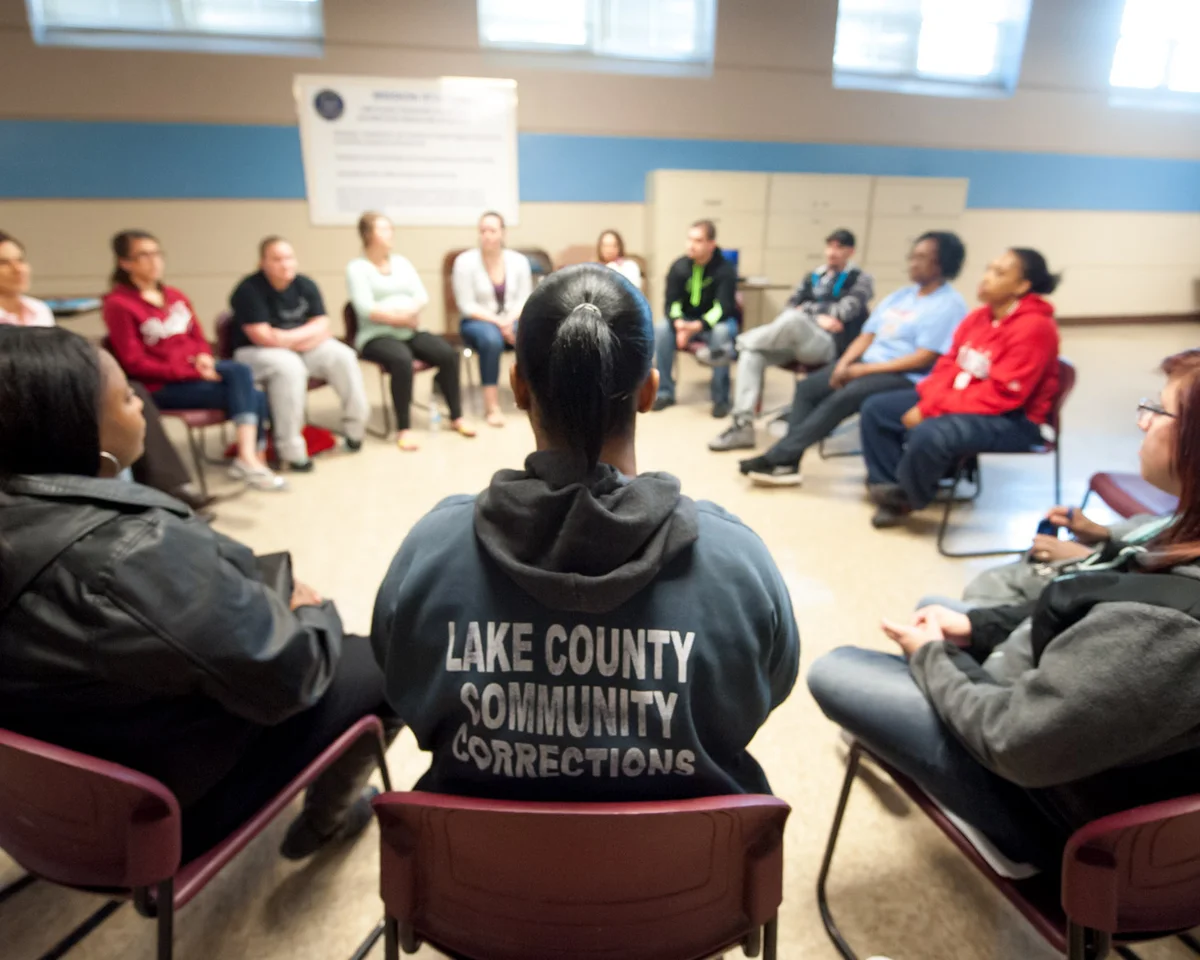
Prisons are often places where social divisions and personal struggles feel most pronounced. Yet philosophy, a subject usually associated with universities, is finding new purpose behind prison walls. Across the UK and beyond, philosophy programs in prisons are proving to have an equalising effect, helping inmates rethink their lives and relationships while building bridges between people from very different backgrounds.
The idea may sound surprising. For many, philosophy is an abstract field, full of complex theories and academic jargon. But in prisons, it is being taught in accessible ways that invite participation, dialogue, and reflection. Courses focus on questions of ethics, justice, freedom, and identity—issues that resonate deeply with people facing confinement.
Teachers who run these programs often describe powerful transformations. Inmates engage in open discussions about moral dilemmas, the meaning of responsibility, and the value of forgiveness. These conversations encourage self-reflection and help participants think beyond their immediate circumstances.
One prison educator explained: “Philosophy provides a safe space where every voice is valued. It doesn’t matter where you come from or what your past is—everyone can contribute to the discussion.” This approach breaks down hierarchies and creates a rare environment of equality inside prison walls.
For inmates, the impact can be profound. Many report feeling listened to for the first time. By exploring philosophical ideas, they begin to see themselves not just as offenders but as individuals capable of thought, growth, and change. This shift in identity can play a crucial role in rehabilitation.
Research supports these observations. Studies have shown that participation in prison education reduces the likelihood of reoffending. While most attention has focused on vocational training, philosophy offers different benefits. It nurtures empathy, critical thinking, and communication skills—qualities that support reintegration into society.
The equalising effect of philosophy lies in its accessibility. Unlike courses that require specific skills or prior education, philosophy invites anyone to engage with big questions. Whether an inmate left school early or pursued higher studies, all participants meet on the same ground when discussing justice or morality.
This sense of equality can also foster solidarity. In group discussions, inmates learn to listen, challenge, and respect opposing views. These skills not only enrich personal growth but also reduce tensions within prison communities.
Programs vary in format. Some are run by universities in partnership with prisons, with volunteer philosophers leading weekly seminars. Others are led by charities that provide structured curricula adapted for prison settings. In both cases, the goal is to create meaningful dialogue and reflection.
The benefits extend beyond individuals. Prison staff note that participants often show improved behavior and stronger relationships with peers after taking part in philosophy classes. Some inmates even go on to mentor others, sharing what they’ve learned and encouraging constructive dialogue.
Yet challenges remain. Funding for prison education is limited, and philosophy is sometimes seen as a luxury compared to practical training. Advocates argue, however, that personal growth and moral development are as important as job skills in reducing reoffending and supporting reintegration.
Former participants often speak of lasting change. One ex-inmate described how a course on ethics helped him think differently about his actions and their impact on others: “Philosophy taught me to see things from someone else’s perspective. That’s something I never did before, and it’s changed how I live my life.”
Philosophy in prisons may not solve every challenge of the justice system, but its equalising effect offers a reminder of the human capacity for reflection and transformation. By giving inmates tools to think critically and empathetically, these programs open doors to new possibilities.
As interest grows, advocates hope more prisons will embrace philosophy as part of rehabilitation. For many inmates, the chance to ask deep questions and share ideas is not only educational but also life-changing—a step toward rebuilding identity, responsibility, and hope.
