

Germany’s chancellor is doubling down on Europe’s free-trade ambitions, backing both a controversial South American trade pact and a fast-tracked agreement with India as the EU seeks new economic partners in an increasingly protectionist world.
Merz Signals Imminent EU–India Trade Agreement
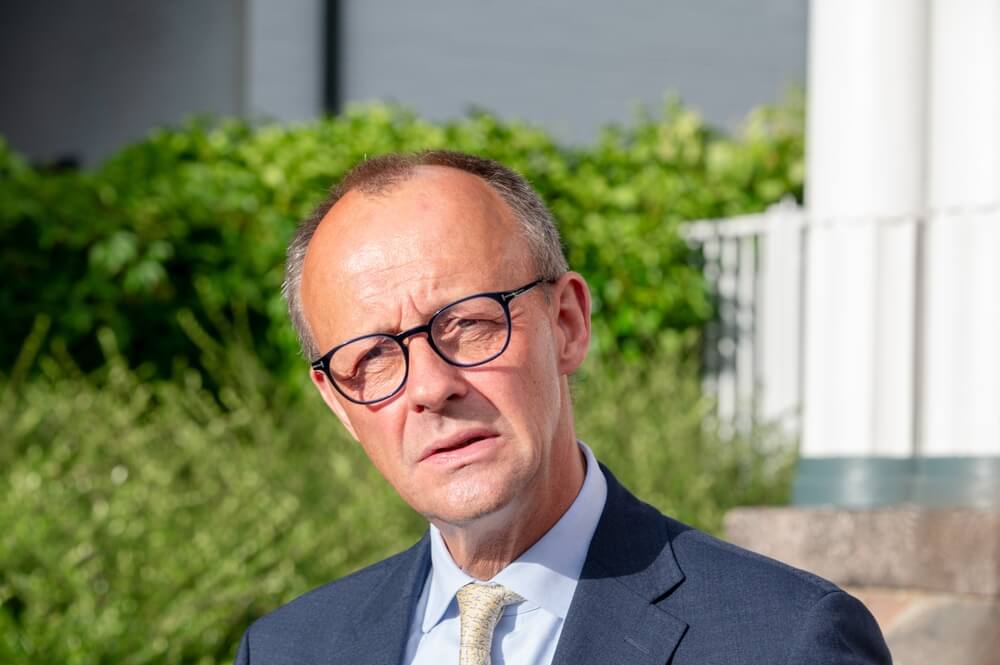
Speaking during a visit to India, German Chancellor Friedrich Merz said a long-awaited free trade agreement between the European Union and India could be signed by the end of the month. He suggested European Commission President Ursula von der Leyen and European Council President Antonio Costa may travel to New Delhi soon to finalize the deal.
Merz framed the agreement as a necessary response to a global shift toward protectionism. He warned that rising nationalist trade policies — particularly from the United States and China — threaten the principles of open markets and free commerce. Calling India the fastest-growing G20 economy, he described the country as a key strategic partner in the Indo-Pacific and said negotiations had entered their final phase.
Talks on an EU–India agreement have been ongoing for years, with hopes last year of sealing a deal by the end of 2025. Although that deadline passed, recent high-level meetings in Brussels between Indian trade minister Piyush Goyal and EU trade chief Maroš Šefčovič have injected new momentum into the process.
Mercosur Deal Highlights EU’s Diversification Drive
Merz’s comments come just days after most EU member states approved the Mercosur free trade agreement with South American nations — a deal Germany has strongly supported. The pact is part of a broader EU strategy to reduce dependence on the US and China by expanding trade ties with emerging markets.
However, not all negotiations have been smooth. Disagreements remain over environmental standards and enforcement mechanisms, particularly regarding the EU’s Carbon Border Adjustment Mechanism, which India has criticized. Despite these hurdles, Merz expressed confidence that the EU’s latest trade push signals a renewed commitment to forging global economic partnerships.
French Backlash Adds Political Tension
While Germany champions these agreements, France has emerged as a vocal opponent — especially of the Mercosur pact. Paris fears an influx of Latin American agricultural imports could undercut French farmers, sparking political turmoil at home.
President Emmanuel Macron now faces pressure from both far-right and far-left parties, who are calling for a vote of no confidence over his handling of the issue. Meanwhile, von der Leyen is expected to travel to Paraguay later this month to formally sign the Mercosur agreement, further raising the stakes in France’s domestic debate.
As Europe races to secure new trade alliances, the EU’s ambition to open markets abroad is increasingly colliding with political realities at home.
