


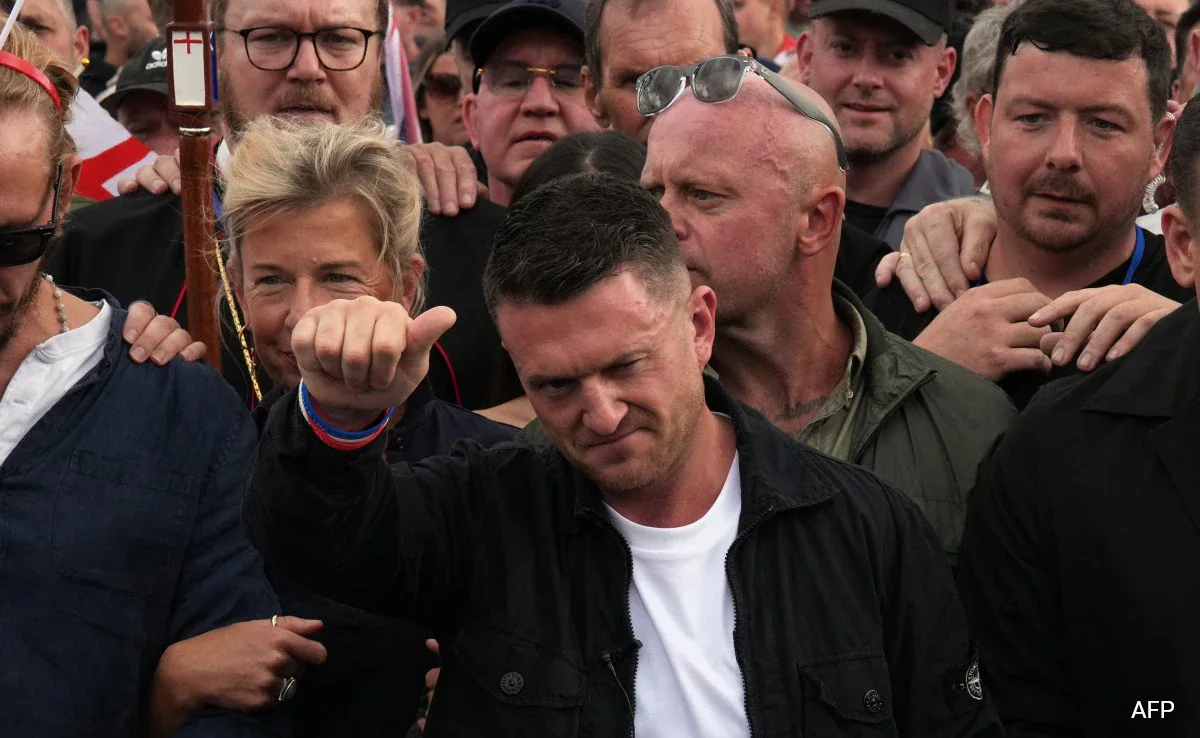
Attending a Tommy Robinson rally in the UK has underscored the rapid growth of far-right activism, with many observers expressing concern over the movement’s increasing visibility and influence. Supporters gathered in large numbers, demonstrating the enduring appeal of Robinson’s rhetoric and messaging.
The rally, held in a central urban location, drew significant attention from both local residents and the media. Police were present to ensure public safety, and counter-protests highlighted the polarizing nature of Robinson’s platform.
Observers noted that the crowd was diverse in age, with younger participants increasingly present. This trend indicates that far-right movements are not confined to a single demographic and may be attracting new, younger supporters through social media and online communities.
Robinson, a figure known for his anti-Islamic and nationalist messaging, delivered a speech emphasizing fears about immigration, cultural change, and political institutions. Supporters responded enthusiastically, reflecting deep-rooted concerns about national identity and perceived threats.
The rally also showcased the organisational capacity of far-right groups. Coordinated social media campaigns, online fundraising, and local networks allowed for effective mobilisation and amplified the event’s reach far beyond those physically present.
Community leaders and activists expressed alarm at the growing traction of Robinson’s movement. “This is not just a fringe group anymore,” said one campaigner. “It has real influence, and ignoring it risks allowing extremist ideas to embed themselves further in society.”
Experts in political extremism note that the UK, like many countries, is experiencing rising polarisation. Economic pressures, social media echo chambers, and perceived political disenfranchisement are contributing factors that far-right movements exploit to recruit and mobilise supporters.
The event prompted discussions about the effectiveness of counter-extremism strategies. While law enforcement and civil society have intervened in some instances, experts stress that addressing the underlying social, economic, and psychological drivers of radicalisation is essential for long-term impact.
Public reaction to the rally was mixed. Many residents expressed discomfort or concern, while others engaged in dialogue about the importance of free speech and public assembly. Local authorities balanced the need to protect public safety with respecting democratic rights, a challenge common in politically charged demonstrations.
Social media played a key role in amplifying the rally. Platforms allowed supporters to livestream, share messages, and organise follow-up events, increasing the movement’s visibility and influence. Analysts warn that online engagement can accelerate the spread of polarising narratives if left unchecked.
The growth of far-right activism raises broader questions about societal cohesion in the UK. Community organisers are calling for education, dialogue, and civic engagement to counter extremist messaging, particularly among young people who may be drawn in by online content.
Observers of the rally left with a clear impression: this movement is gaining momentum. Without proactive strategies to address its appeal and influence, the far-right in the UK may continue to expand, with potential consequences for social harmony, political discourse, and public safety.
In conclusion, the Tommy Robinson rally demonstrates the continuing rise of far-right activism in the UK. The movement’s growing organisational capacity, online reach, and appeal to diverse demographics highlight the need for vigilance and proactive measures. Addressing the root causes of radicalisation, fostering dialogue, and promoting inclusive communities will be critical to countering its expansion and protecting the country’s democratic values.
