


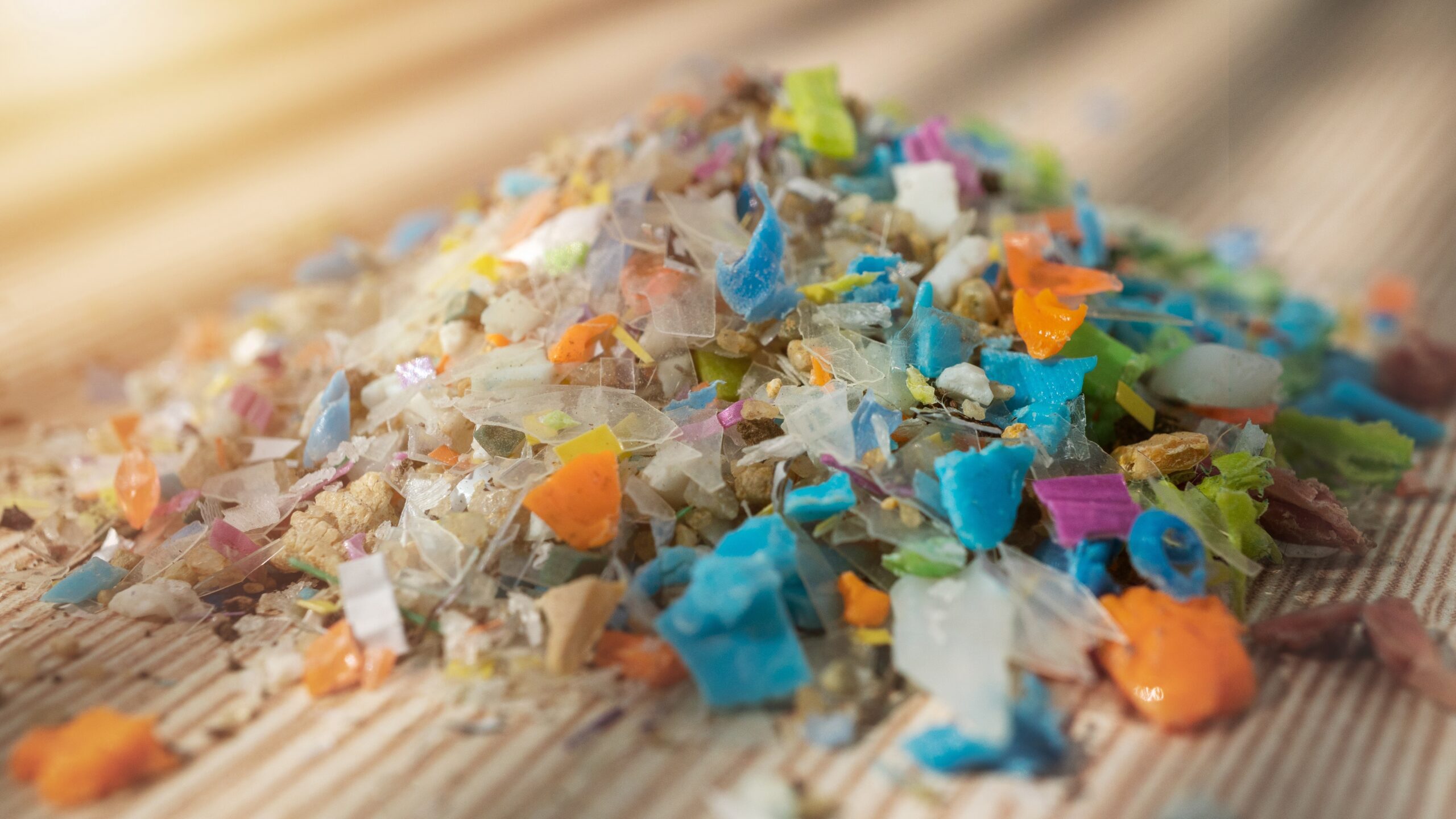
Microplastics are everywhere — in our blood, lungs, guts, and even brains. Scientists estimate we carry about 5g inside us, but the health effects remain unclear.
New research from Austria shows these particles can alter gut bacteria in ways linked to depression and cancer. “Reducing exposure where possible is wise,” said Dr Christian Pacher-Deutsch.
Microplastics come from packaging, clothes, and tyres, and are small enough to enter our organs. Studies in mice show brain changes and behaviour shifts after exposure. Human studies have found plastics in arteries and brains, possibly raising heart and dementia risks.
Experts warn more research is needed. “We don’t yet know how harmful they are,” said Prof Stephanie Wright of Imperial College London. Still, many scientists now avoid heating food in plastic or using synthetic fabrics.
How to Cut Exposure
- Don’t heat food or drinks in plastic.
- Use glass or stainless steel instead.
- Avoid teabags sealed with plastic glue.
- Choose natural fabrics and wooden boards.
- Check cosmetics for plastic ingredients.
Microplastics can’t be avoided entirely — but reducing them could help protect both our health and the planet.
