


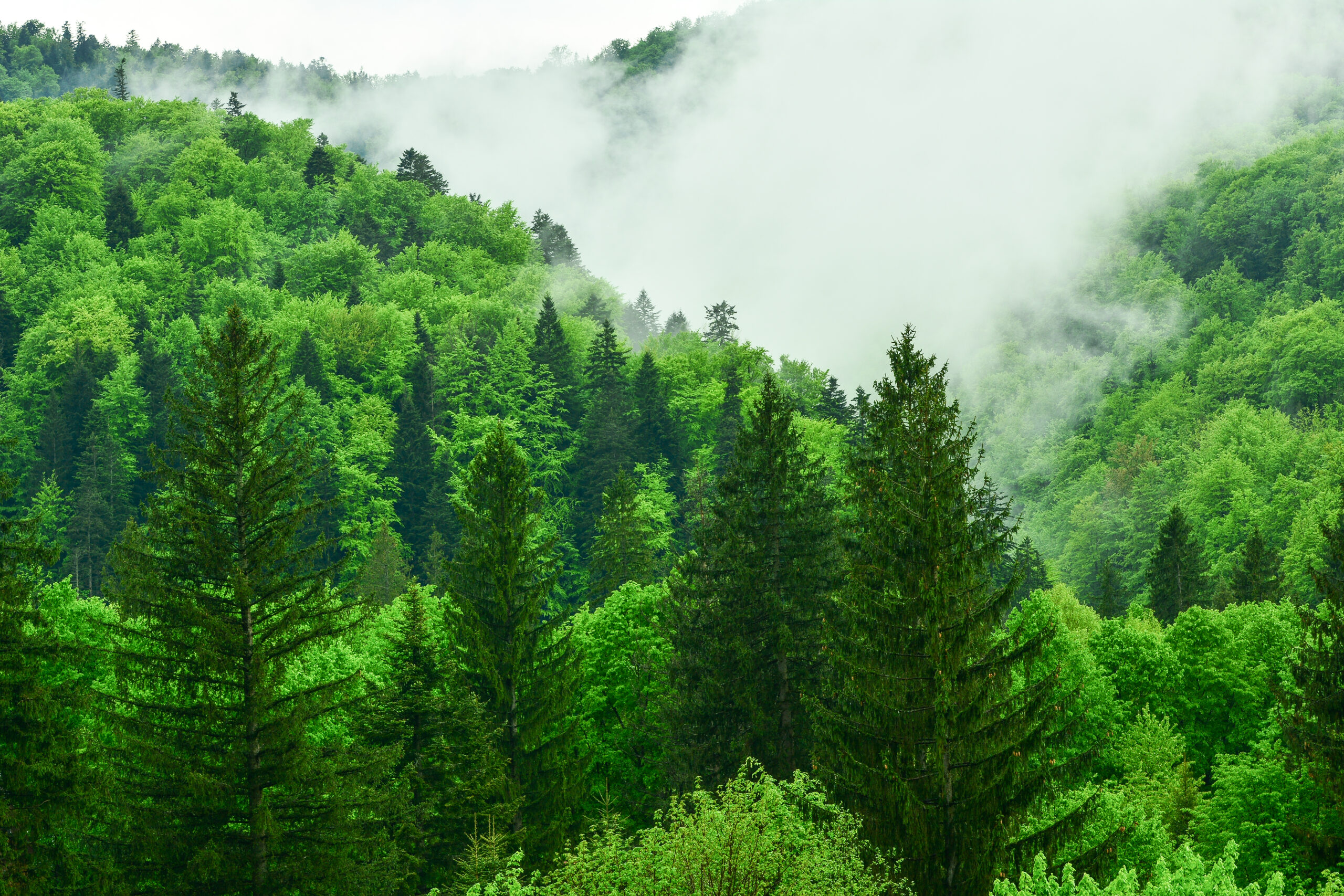
In the mountains of the southern Peloponnese, Greece’s normally resilient fir forests are dying in large numbers – even in areas untouched by recent wildfires – prompting scientists to warn of a deepening ecological crisis driven by climate change.
Researchers from the Forest Research Institute were initially surveying fire damage when they discovered vast swathes of fir trees turning brown and dying beyond burn zones. “The scale of the damage was profound,” said senior researcher Dimitrios Avtzis, who alerted the environment ministry after finding hundreds of hectares affected.
While Greece has long lived with wildfires, experts say the situation has changed. Prolonged drought, declining winter snowfall and rising temperatures have severely weakened trees, making them vulnerable to bark beetle infestations. These insects bore under the bark, disrupting the transport of water and nutrients, and can rapidly overwhelm stressed forests.
Between 1991 and 2020, Greece lost an average of 1.5 days of snow cover per year, reducing vital moisture in mountain ecosystems. The combination of drought and pests is now killing firs that once withstood fire, insects and heat.
Similar bark beetle outbreaks are being observed across southern Europe, suggesting the problem is part of a wider climate-driven shift rather than a local anomaly.
Despite the damage, scientists say Mediterranean forests can still regenerate, though recovery may take years and is increasingly uncertain. Researchers are calling for urgent government funding and coordinated action to protect high-altitude forests before the die-offs become more frequent and severe.
“We have the knowledge and the tools,” Avtzis said. “What matters now is whether we act in time.”
