


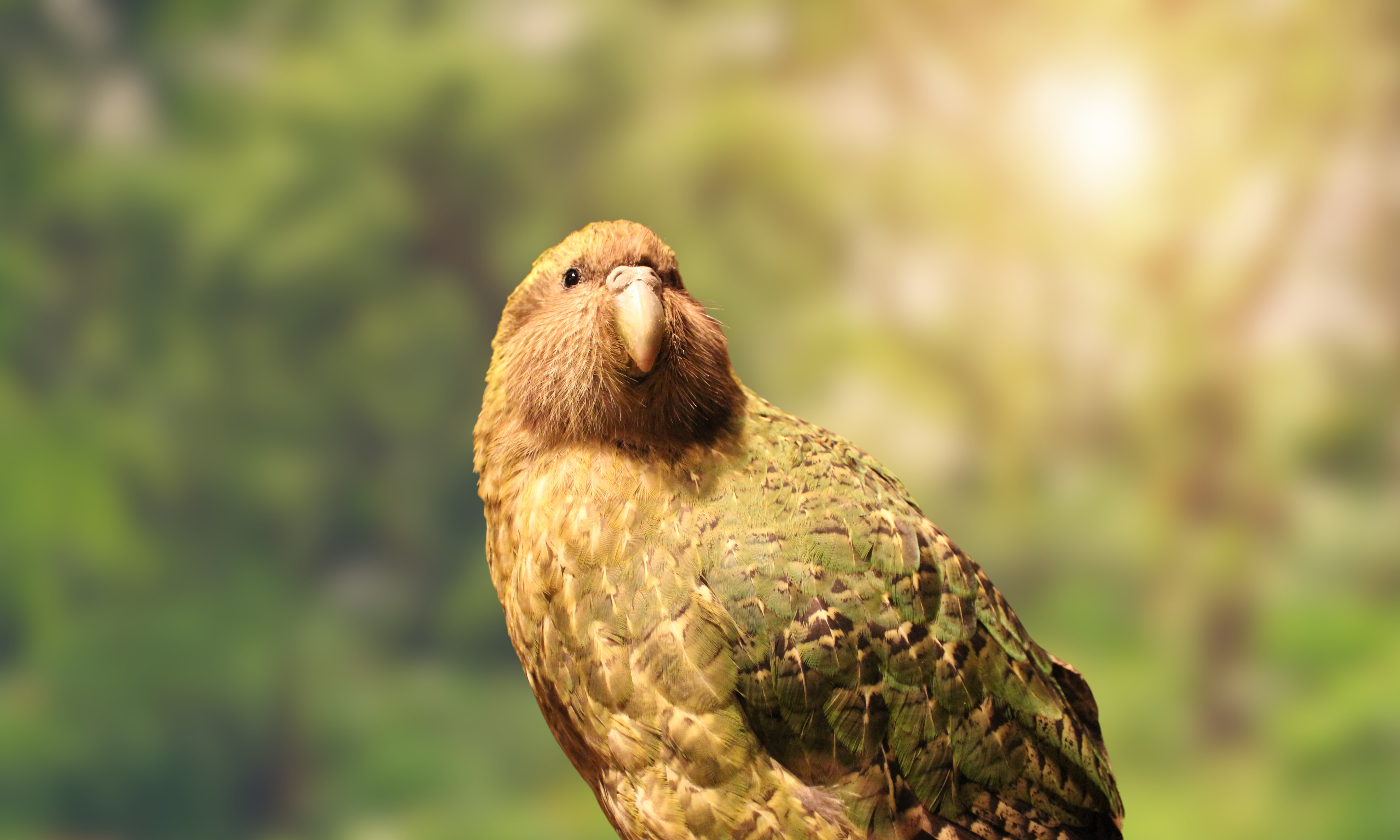
New Zealand is racing to protect its critically endangered birds, including the kākāpō, from H5 avian influenza before migratory seabirds potentially bring the virus to its shores. With fewer than 250 kākāpō remaining, even a single outbreak could be catastrophic.
A world-first trial has shown that captive birds from five endangered species, including the kākāpō, takahē, and black stilt, can safely receive the H5N3 poultry vaccine, developing strong antibody responses lasting at least six months. The aim is to protect breeding populations in aviaries and managed island habitats.
Timing is critical: vaccination must occur just before the migration season to ensure immunity is effective. Australia and the US are also monitoring similar strategies, having used vaccines to protect species like California condors and koalas.
Challenges remain, including vaccine logistics, evolving virus strains, and potential stress on wild birds. Despite these hurdles, New Zealand conservationists view vaccination as a vital tool to prevent extinction and safeguard species teetering on the edge.
“If we start too soon, immunity may fade. If too late, we might miss the crucial moment,” says DOC adviser Kate McInnes.
